Inverness & Loch Ness are the Highlands made easy — beautiful scenery, great bases, and routes that flow north, west, or east. We plan it smoothly.
Inverness and Loch Ness sit at the crossroads of the Highlands, making them easy to build into almost any route—west to Skye, north to the NC500, or east through the Cairngorms.
We use Inverness/Loch Ness as:
A Highlands base with simple logistics (2–3 nights)
A connector chapter between regions, without feeling like a transit stop
A mix of stories + scenery—loch views, castles, and Highland history
The key is the right base and a balanced plan—so it feels like a proper Highlands stay, not just a loop around the loch.
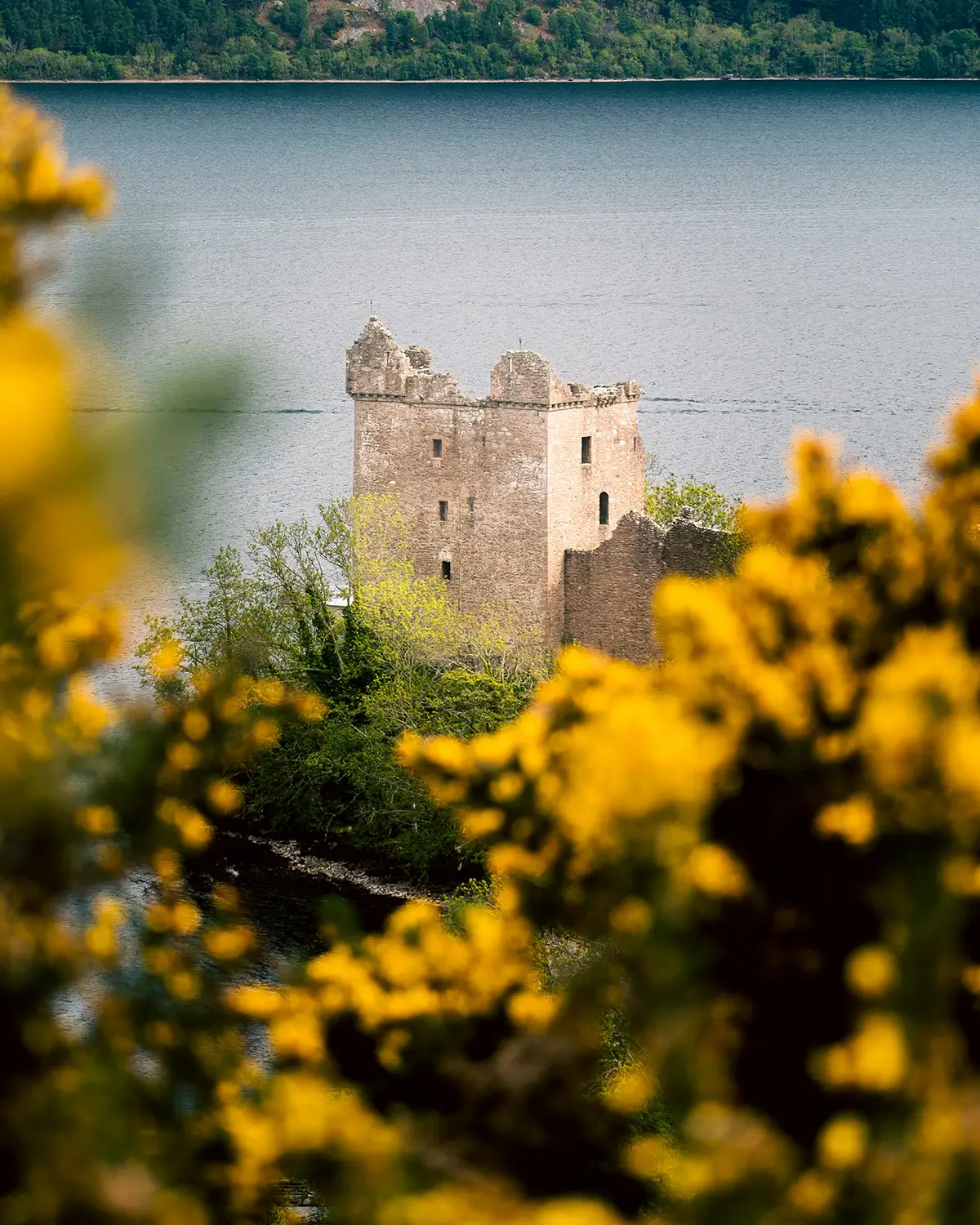
1–2 nights
Works well as a short Highlands stop: one lochside day plus a calm evening in Inverness.
2–3 nights (recommended)
The best balance for most travellers. Enough time for Loch Ness properly, plus one additional Highlands day without rushing.
4+ nights
Ideal if you want a slower pace, extra castle/history stops, or you’re using this as a base for multiple day loops.
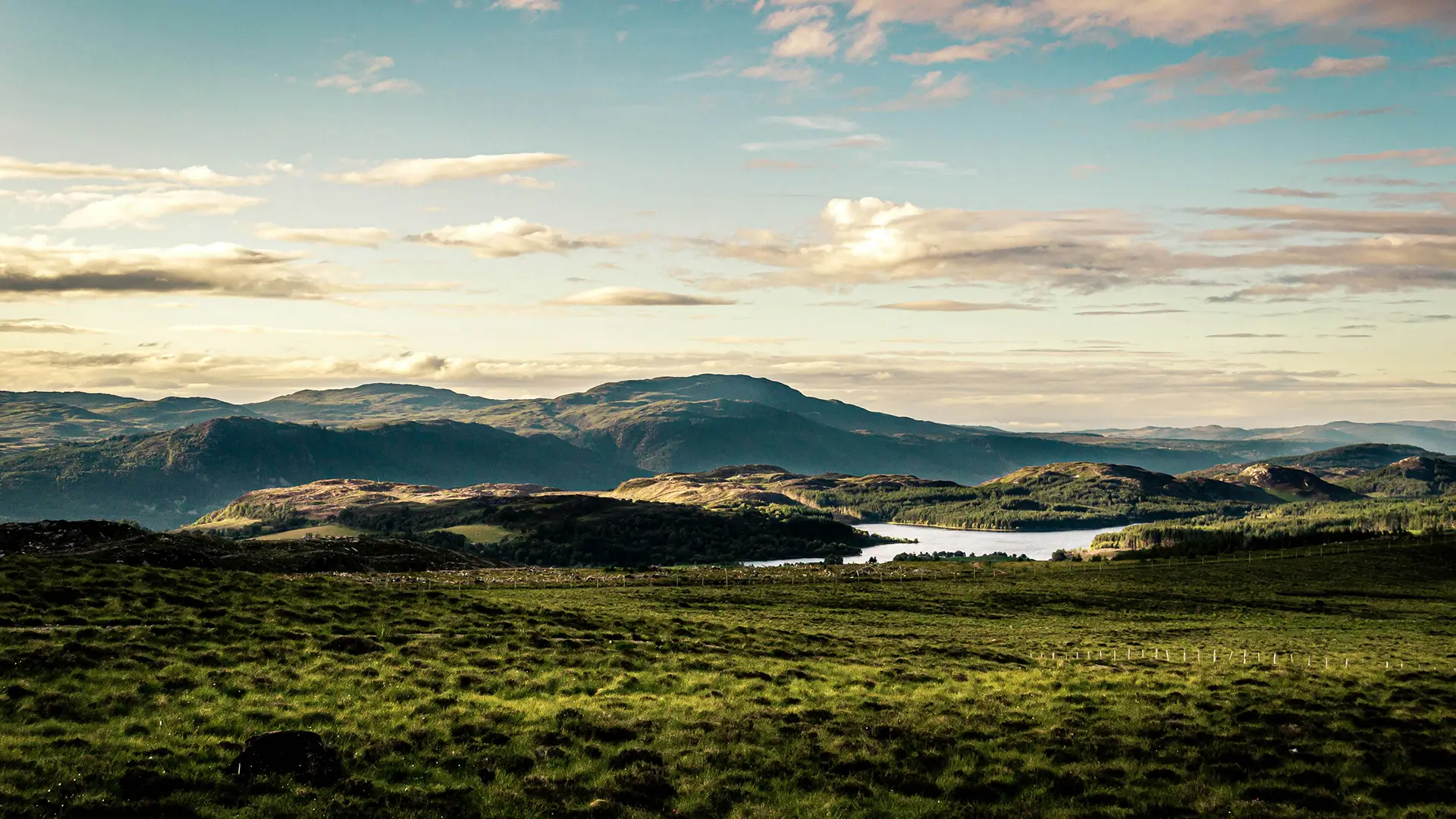
Loch Ness scenery — classic Highland views, best enjoyed with smart timing
Castles and stories — history that adds depth to the landscape
A practical Highlands hub — great routing to Skye, the north, and the Cairngorms
Gentle pace options — viewpoints and short walks that don’t demand big hikes
Comfortable bases — good stays and easy evenings (especially helpful mid-road trip)
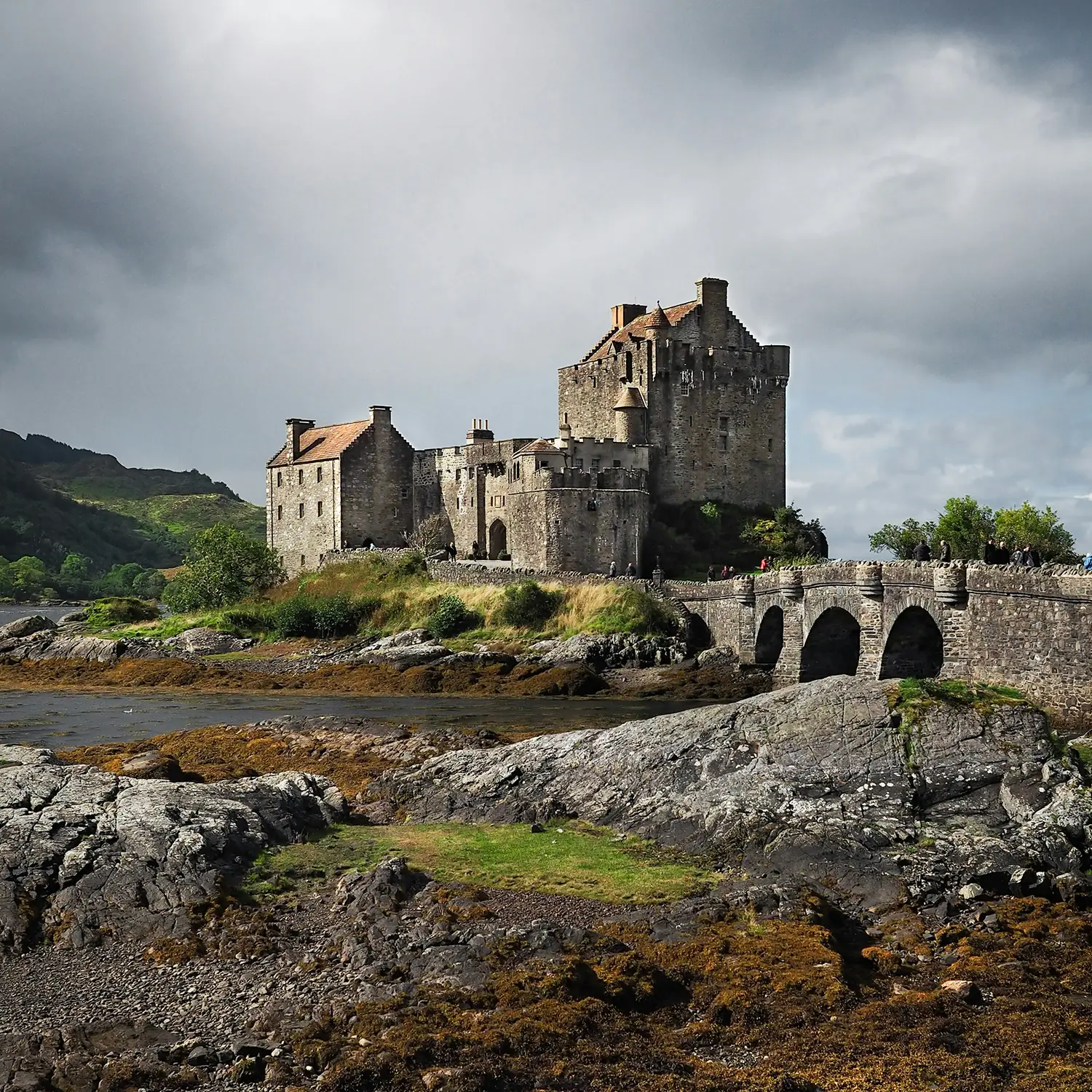
Where you stay depends on the feel you want: city convenience, lochside atmosphere, or a quieter Highland base.
Inverness (city base)
Best for convenience, dining choice, and easy onward travel. Great if you like having options in the evening.
Lochside stays (closer to the water)
For maximum atmosphere — wake up to loch views and keep the loch day feeling calm and immersive.
Quieter Highland villages (for peace and scenery)
Ideal if you want a softer, slower rhythm and don’t need lots of restaurant choice.
We’ll recommend the best fit based on your route (Skye vs NC500 vs Cairngorms) so you’re not doubling back.
A Loch Ness day (done properly)
Lochside viewpoints and stops chosen for quality (not quantity)
One castle/story stop that adds context
Time for lunch and slow moments — not a constant drive
A Highland scenery loop
A second day built around a beautiful drive and a short walk, matched to your comfort level
A calmer Inverness evening
A good dinner, a riverside stroll, and a reset before the next chapter of the route
We’ll shape activities around your style: history-focused, scenery-first, or gentle and restorative.
This area is a routing hub. We plan it to reduce backtracking and keep driving days realistic.
Loch Ness can get busy. Smart timing makes a big difference, especially in summer.
A car is usually best. It gives you flexibility for viewpoints, short walks, and quiet detours.
Don’t over-pack the loch day. The goal is atmosphere and flow — not circling the loch at speed.
How many nights do we need in Inverness & Loch Ness?
2–3 nights is ideal for a balanced stay: Loch Ness plus one additional Highlands day without rushing.
Do we need a car?
Yes in most cases. It’s the easiest way to explore Loch Ness and build in the quieter, more scenic stops.
Is Loch Ness worth it, or is it too touristy?
It’s worth it when planned properly. We focus on the best viewpoints, the right timing, and one meaningful stop — so it feels special, not crowded.
Is Inverness worth staying in?
Yes, especially if you want a convenient base with good dining and simple onward travel. If you prefer maximum atmosphere, we can base you lochside instead.
Can this fit into an Islands or NC500 route?
Absolutely. Inverness is one of the best connectors for both — we’ll build the route so it flows naturally.
When is the best time to visit?
Late spring to early autumn is easiest for weather and daylight. Shoulder season can be quieter and beautiful, with the right pacing.