Staying in Scotland

Where you stay shapes the trip — especially in Scotland. We choose places that fit the route, pace, and how your days unfold.
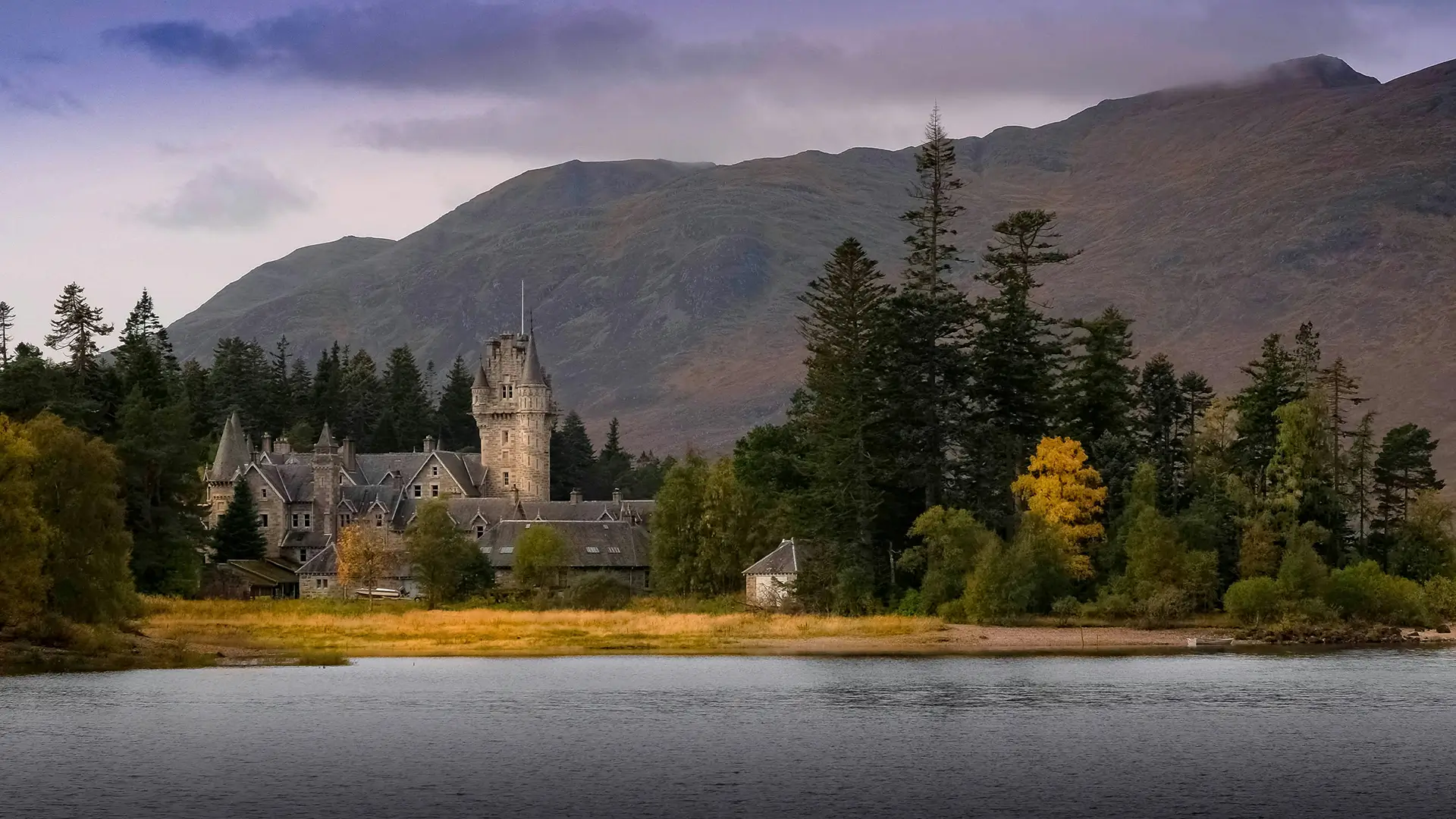
Stone castle near a forested shoreline with mountains under a cloudy sky.

Where you stay shapes how the trip works

Accommodation isn’t just about comfort.

It affects driving distances, daily pacing, and what your evenings actually feel like once you’re off the road.

Scotland isn’t a “one base fits all” destination. The right place to stay depends on what comes next — and how you want the trip to flow. Poor choices usually show up as rushed days, long drives, and evenings spent recovering instead of enjoying where you are.

Good trips are built around the right places to stay — not added on at the end.
How to choose where you stay in Scotland

  • 1. Location
    Close to where your time is best spent, not just where there’s availability.
  • 2. Flow
    Works with the route, so you’re not driving past what you came to see.
  • 3. Pacing
    Matches how full or relaxed you want your days to feel.
  • 4. Evenings
    Places you actually enjoy being, not just sleeping.
  • 4. Consistency
    Quality that holds across the trip, not one great night and several compromises.

Built around the route, not booked separately

The route should lead the accommodation — not the other way round.
When you book stays first, availability starts dictating the itinerary. That’s how trips end up with long drives, awkward backtracking, or a “nice” hotel in the wrong place.
We plan for:
  • 2–3 night bases where it improves the trip (less packing, better days)
  • Limited-stock regions where choice disappears quickly (islands, remote areas)
  • Ferry timing that affects everything (island routes need planning, not improvising)
A well-built route makes accommodation decisions simpler — and the trip far calmer.
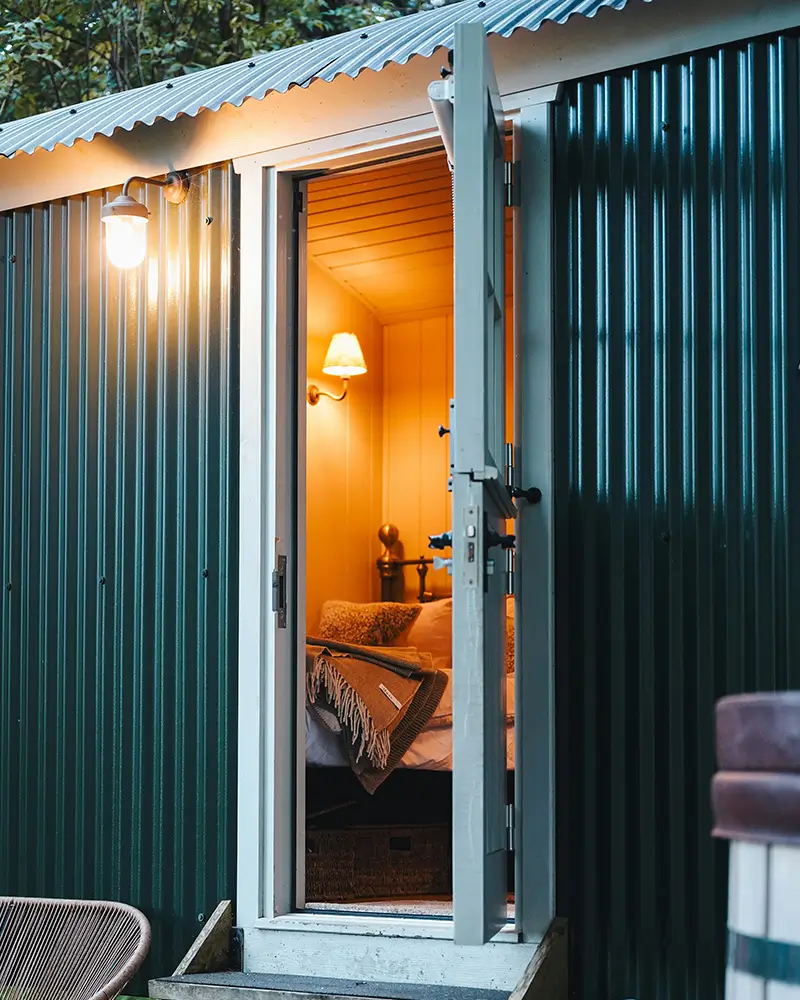
Open door to cozy cabin bedroom with lit wall lamp and a blanket on bed inside.

Types of accommodation in Scotland

Scotland offers a wide range of accommodation — but what works best depends on your route, pace, and travel style.
  • Small hotels, guesthouses & inns

  • These are often the backbone of a Scotland trip. They offer character, warm service, and practical locations, especially in towns and villages where you can walk out in the evening.

    They work best when you want easy, walkable stops without overthinking logistics. The trade-off is that room sizes can be smaller and quality varies, so choosing well makes a real difference.
  • Country house hotels & lodges

  • These are where the trip slows down. You’re choosing them for space, quiet, and a proper switch-off after a day on the road.

    They work particularly well in the Highlands, where the stay becomes part of the experience. The trade-off is that they’re often more remote, with fewer nearby options, so they need to fit the route.
  • Self-catering cottages

  • Cottages give you flexibility and your own rhythm, especially for families or longer stays.

    They’re best used for 2–3 nights in one place, where you can settle in, reduce daily driving, and let the route breathe a bit. The trade-off is fewer services and more planning around food, timing, and check-in, especially in quieter areas.
  • Standout stays (castles, lochside properties

  • These are the moments people remember — one or two nights that shift the feel of the whole trip.

    They work best when they fit naturally into the route, adding something to the experience rather than pulling you off course. The trade-off is higher cost and limited availability, so placement and timing matter.

Common mistakes when booking accommodation in Scotland

  • Trying to stay everywhere for one night
  • Booking too late in peak season
  • Prioritising “nice” over location
  • Underestimating driving time
  • Not accounting for ferries or remoteness
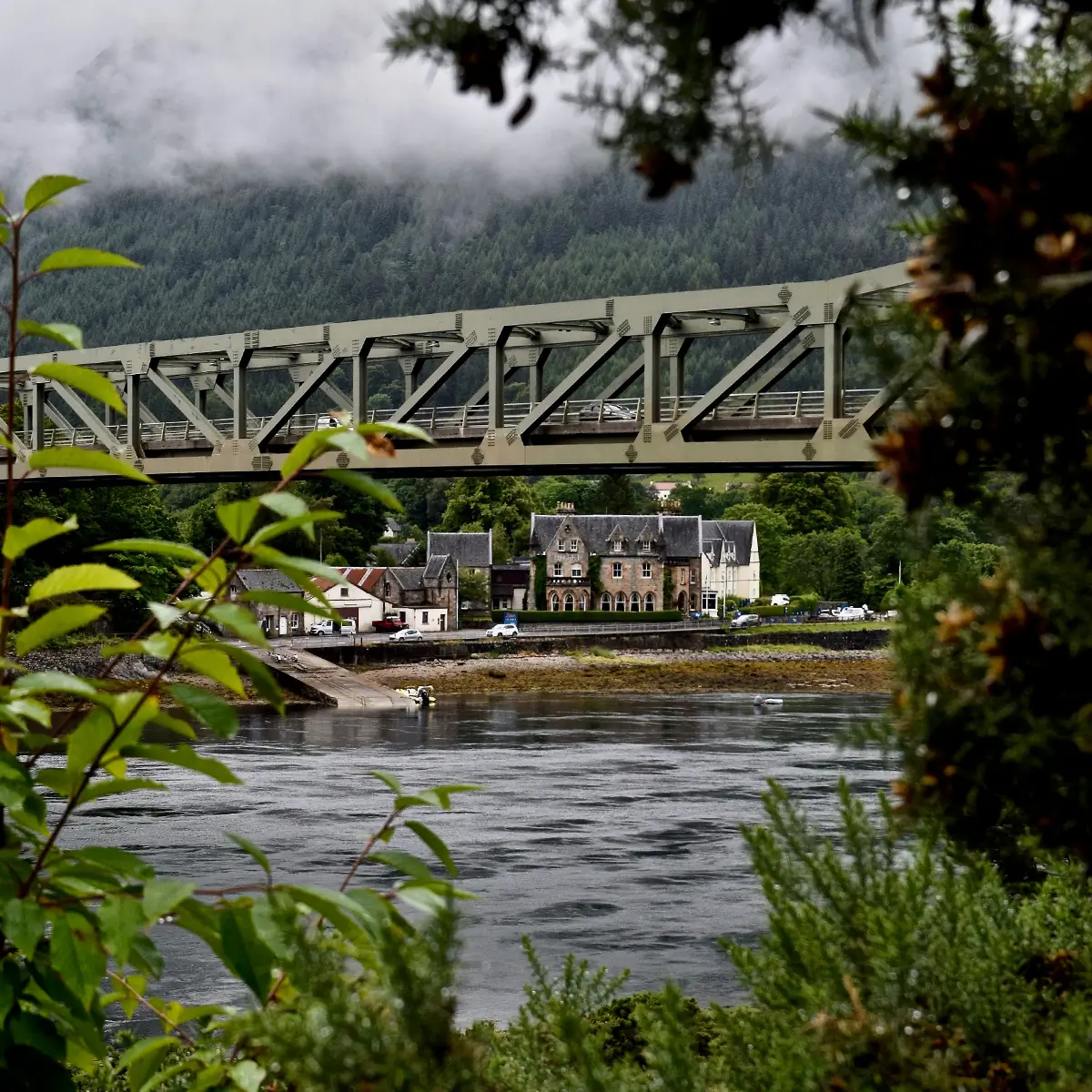
Steel bridge over a river with cars, framed by green plants and misty forest hills in the background.

What affects accommodation costs in Scotland?

Not everything impacts price equally. These are the factors that make the biggest difference.
  • Location: walkable towns, lochside settings, islands, remote bases
  • Season: peak summer vs shoulder months
  • Location: walkable towns, lochside settings, islands, remote bases
  • Trip Structure: too many stops often means paying more for less choice
For realistic ranges and budgeting logic, see our Scotland Trip Budget Guide.
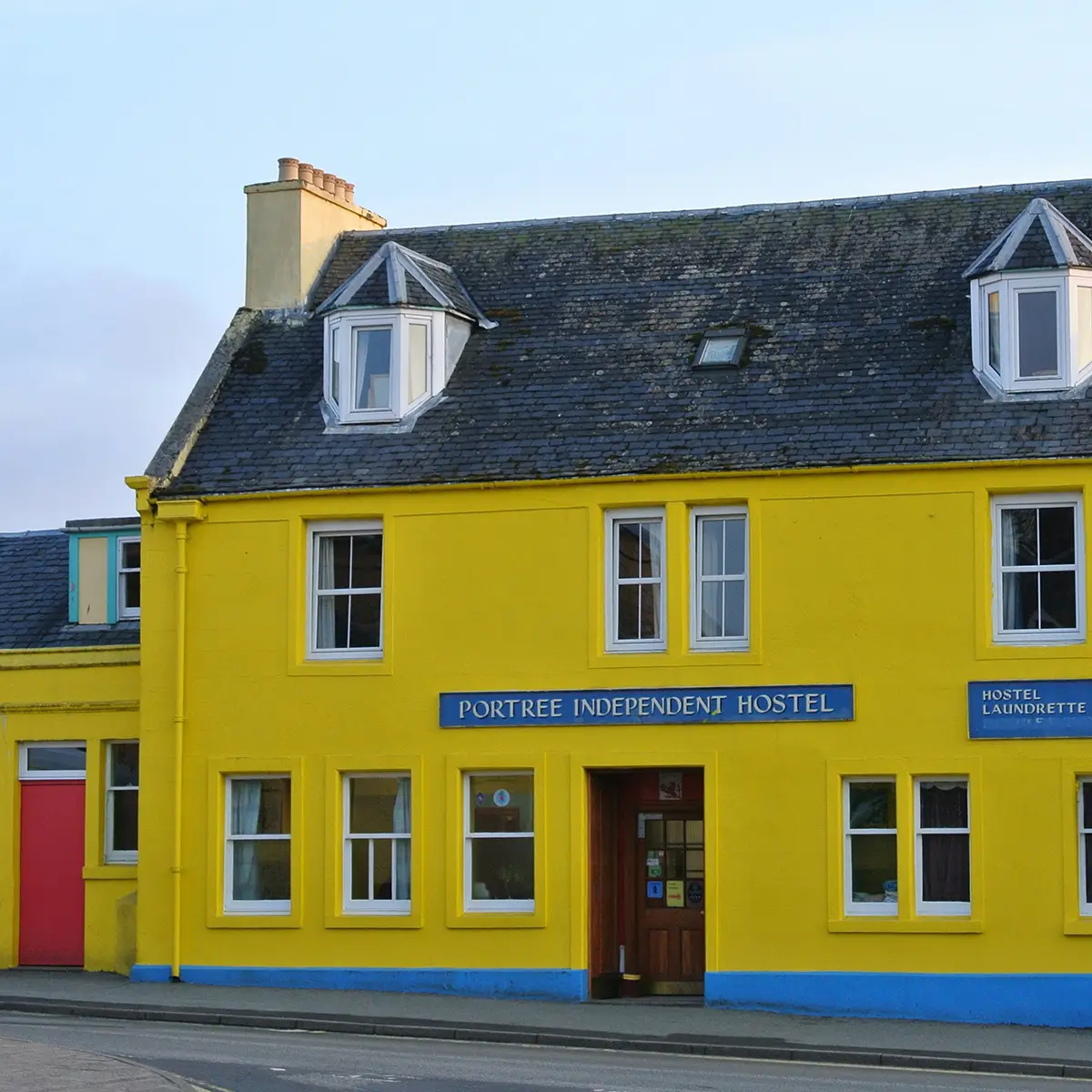
Bright yellow building labeled Portree Independent Hostel with blue trim and a red side door.

Start with a route, then refine your stay

We design the route first — then adjust accommodation level, travel style, and experiences to match your budget. That way you’re not guessing or cutting at random. You’re making clear trade-offs, with a plan that still works properly on the ground.

Let's plan    yourScotland trip

We’ll shape a route around your time, priorities, and budget — so everything fits together before you go.
Start Planning