Rail-Friendly Scotland

Scenic Scotland rail trips built around strong routes, calmer pacing, and flexible travel.
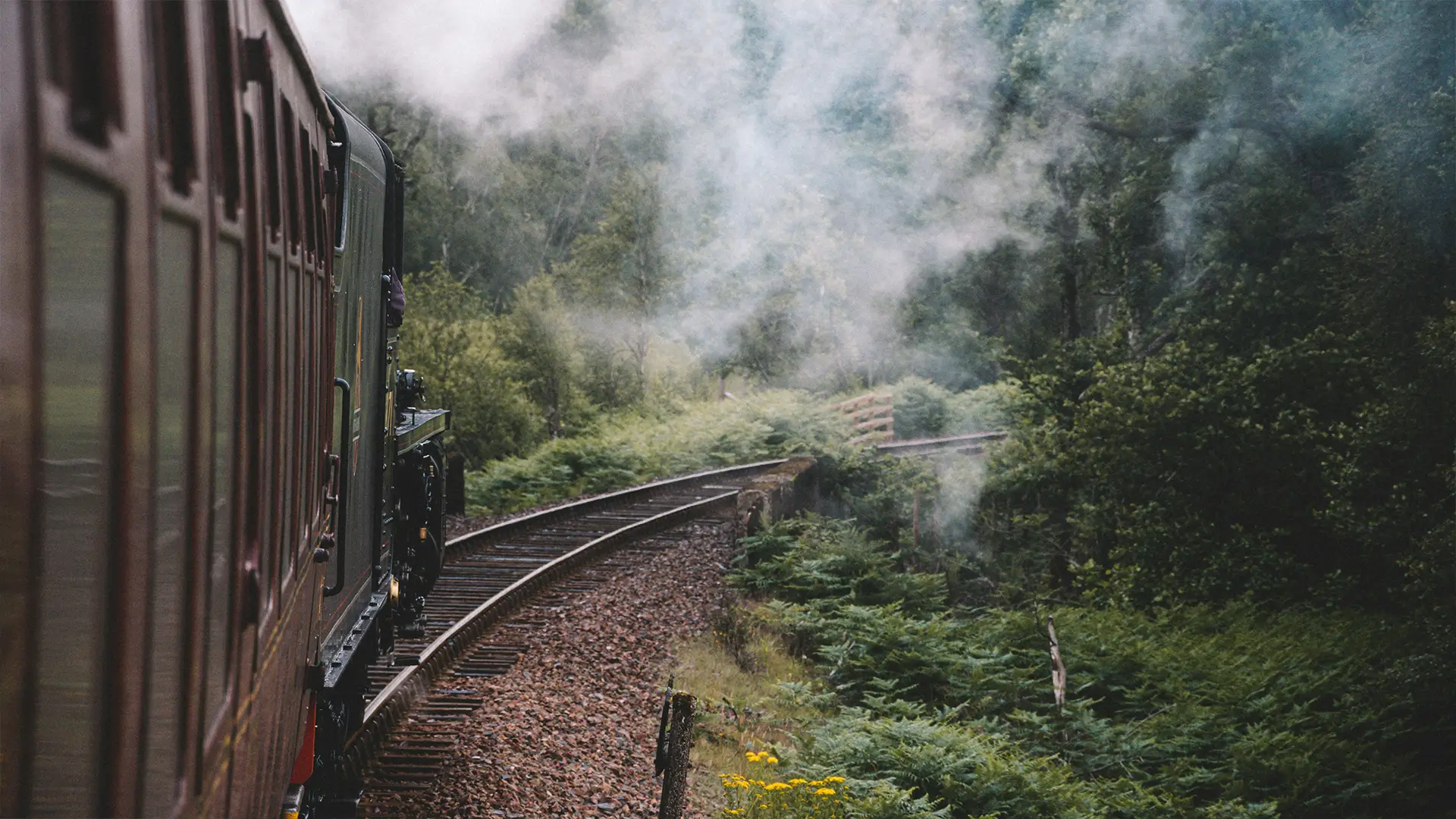
Side view of a steam train moving on a curved track through a lush green forest with smoke rising.

Scotland works beautifully by train

The right rail journey can completely change how Scotland feels to travel.

Scotland’s rail network connects many of the country’s strongest landscapes surprisingly well. Routes like the West Highland Line turn the journey itself into part of the experience, while city-to-city travel by train removes much of the stress around parking, driving, and longer transition days.

Rail travel works best when used selectively. Cities, scenic corridors, and major hubs are often ideal by train, while more remote regions still benefit from a car or driver-guide support. The strongest Scotland rail itineraries combine both approaches naturally.

Why train travel works so well in Scotland

Scenic rail travel changes the rhythm of the trip in a very different way from driving.
  • Scenic Journeys
    Some rail routes — especially the West Highland Line — are genuinely part of the experience rather than simply transport.
  • Easier City Starts
    Edinburgh and Glasgow work far better without a car. Rail allows the trip to begin calmly before moving into the Highlands.
  • Reduced Driving Pressure
    Longer transition days can feel far more relaxed by train, particularly for travellers unfamiliar with left-side driving.
  • Flexible Hybrid Travel
    Rail and self-drive combine extremely well in Scotland when the transitions are planned properly.
Sunlight casting shadows on orange panels with ScotRail logo and tagline on a station wall.

Rail trips built around flow, not timetables

The best rail-friendly routes feel flexible and natural on the ground.
  • Scenic Rail First

  • Certain routes are worth doing by train. We use rail where it genuinely improves the experience rather than forcing it into every part of the itinerary.
  • Car Access Where It Matters

  • Some regions still work best with flexibility. Remote Highlands areas, coastal routes, and island regions often benefit from selective self-drive chapters.
  • Strong Overnight Bases

  • Rail travel still needs good positioning. We use bases that minimise awkward transfers and make arrival days feel calm and straightforward.
  • Realistic Transition Days

  • Changing transport should feel smooth, not stressful. We plan around station timing, luggage flow, and realistic onward travel rather than tight connections.
  • Less Backtracking

  • Good sequencing makes rail travel far easier. The strongest routes move forward naturally instead of constantly retracing the same corridors.
  • Flexible Hybrid Logic

  • Train + car often creates the best balance overall. Many travellers find hybrid Scotland travel delivers the strongest mix of scenery, comfort, and flexibility.

Scotland rail journeys worth building around

A small number of routes stand out as genuinely exceptional travel experiences.
  • West Highland Line
    One of Europe’s great scenic rail journeys, linking Glasgow with Fort William and Mallaig through lochs, moorland, and west coast scenery.
  • Inverness Routes
    Rail access into Inverness works extremely well for Highlands entry and reduces unnecessary early driving days.
  • Edinburgh ↔ Glasgow
    A practical and easy rail connection that keeps city travel simple and flexible.
  • Jacobite Steam Train Region
    The wider Fort William and Glenfinnan region combines well with hybrid rail + car travel, especially for families and west coast itineraries.
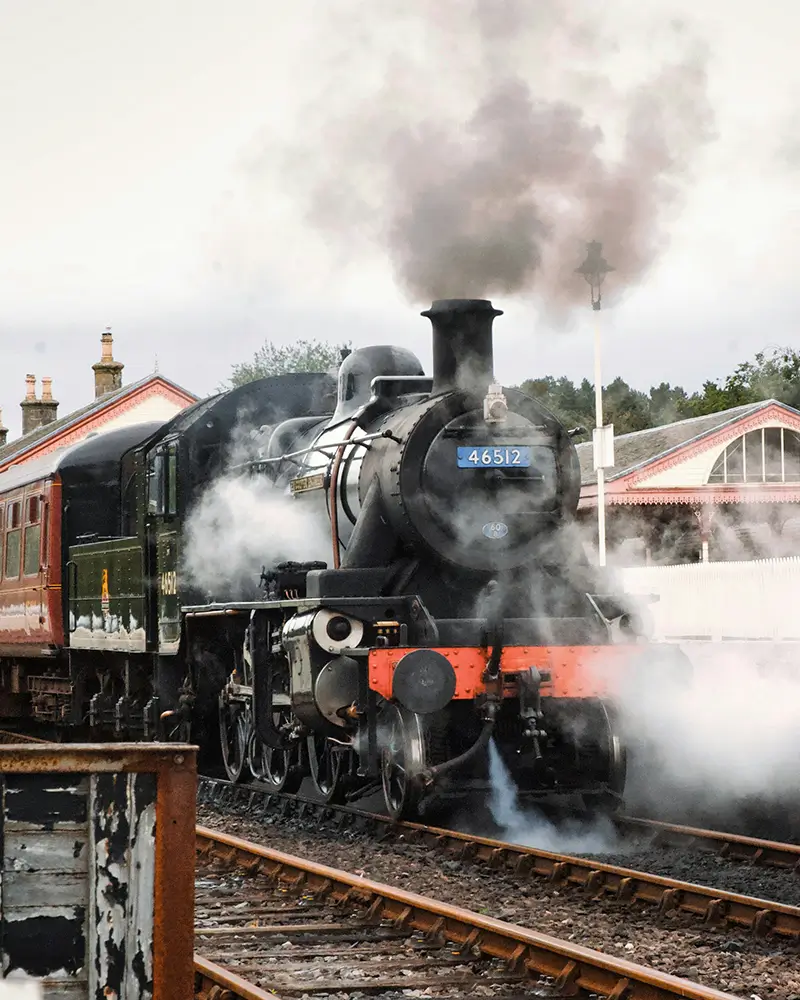
Black vintage steam train emitting smoke at a railway station platform with red-trimmed roof buildings.

What makes Scotland rail trips harder than they need to be

The best rail itineraries are built around realistic transitions and regional logic.
  • Trying to do everything by train
    Some parts of Scotland simply work better with selective car access.
  • Tight transfer timing
    Connections need breathing room, especially when luggage and rural stations are involved.
  • Too many overnight moves
    Constant hotel changes make rail travel feel far more logistical than it needs to.
  • Ignoring route geography
    Good rail trips follow Scotland’s geography naturally rather than zig-zagging across the network.
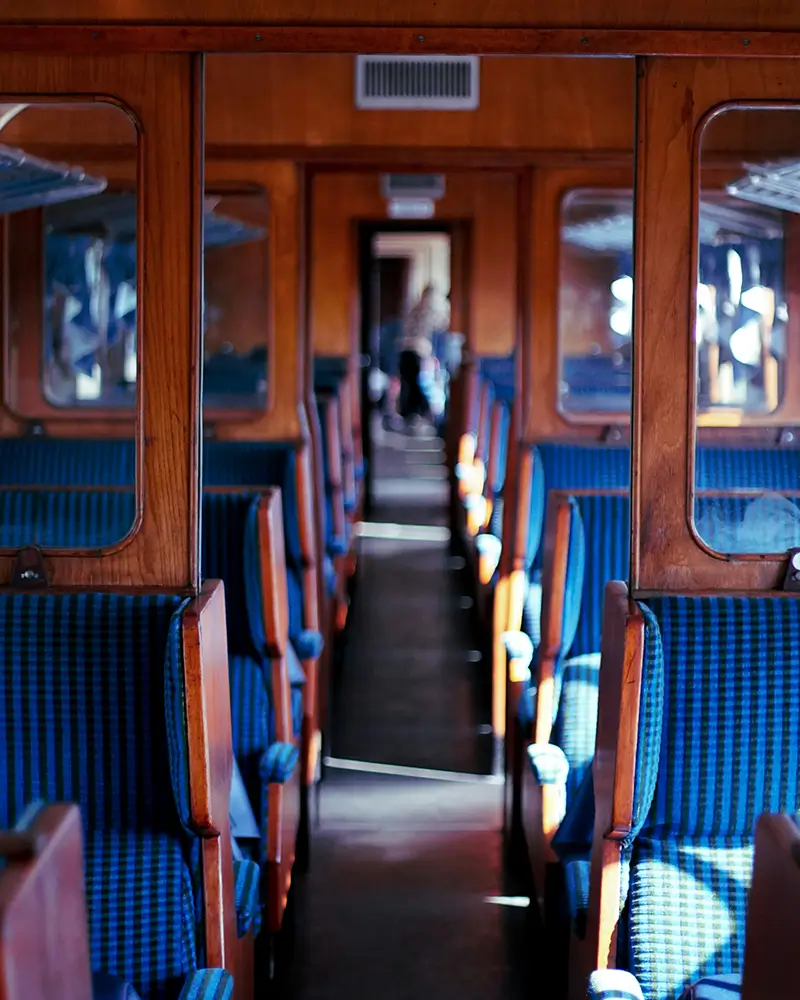
Interior aisle view of a vintage train car with wood paneling and blue checkered seats.

Sample Scotland rail-friendly routes

Built around scenic rail corridors, realistic pacing, and strong overnight positioning.
7 Days
Edinburgh → Glasgow → West Highland Line → Fort William → Highlands base → return
10 Days
Edinburgh → Inverness by rail → Highlands self-drive chapter → Skye → return south
14 Days
Edinburgh → West Highland Line → Highlands & islands chapter → Cairngorms → return by rail
Ornate stone tower with columns and weather vane on top of historic building under blue sky.

Routes designed around how Scotland actually travels

Rail works best when paired with the right regions, pacing, and transitions.

We plan Scotland rail trips around flow rather than forcing train travel into every part of the route.

That means using rail where it genuinely improves the experience — scenic corridors, city connections, and longer transitions — while introducing cars or local support where flexibility matters more.

The result is a Scotland trip that feels calmer, more scenic, and easier to travel on the ground.

Ready to plan your Scotland rail journey ? Let's get started.

Scotland Rail Travel FAQs

  • Is Scotland easy to travel by train?
    Yes — especially between cities and along major scenic routes like the West Highland Line.
  • Do you need a car in the Highlands?
    Often, yes for full flexibility. Hybrid train + car routes usually work best.
  • What’s the most scenic train route in Scotland?
    The West Highland Line is widely considered the standout route.
  • Can you combine rail and self-drive?
    Very naturally. Many travellers prefer rail for transition days and cars for rural regions.
  • Is the Jacobite Steam Train worth it?
    Usually yes — particularly for families and travellers already routing through Fort William and Glenfinnan.
  • Are rail trips good for families?
    Absolutely, especially with fewer hotel moves and realistic transition days.
  • Is luggage difficult on Scotland trains?
    Usually not, though simpler transitions and fewer overnight changes make a big difference.
  • What’s the best length for a rail-friendly Scotland trip?
    Most travellers find 7–14 days works best depending on how much of the Highlands and islands they want to include.

Plan a Scotland route that   travels smoothly

Tell us your pace, priorities, and comfort level with driving — we’ll build a Scotland route that combines scenic rail travel with the right level of flexibility.