Self-Drive Scotland

A self-drive Scotland trip should feel flexible and easy. With the right route, realistic driving days, and strong bases, Scotland becomes straightforward to explore by car.
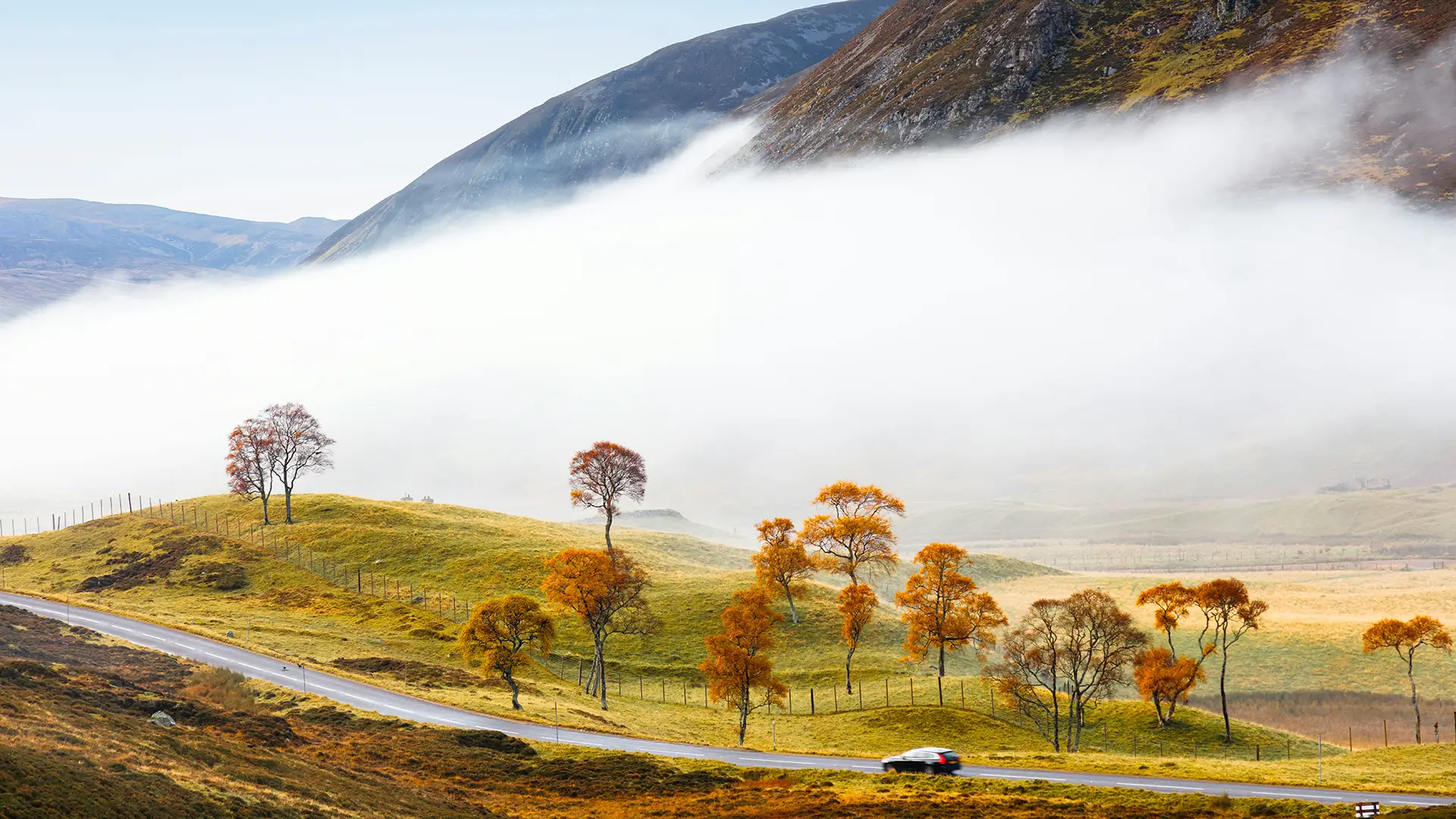
Car driving on a winding road through autumn trees and grassy hills with fog and mountains in background.

Self-drive Scotland, properly paced

Self-drive works best in Scotland when the route is built for flow — not for squeezing in extra miles.

Self-drive Scotland trips work well because they give you flexibility: stop when the light is good, take worthwhile detours, and shape the day around your own pace.

What surprises many travellers is how calm Scotland driving feels once you settle into the rhythm. Roads in the Highlands and west coast are slower than the map suggests — but that slower pace is part of what makes the experience enjoyable when the route is planned properly.

Automatic rental cars are widely available, and most itineraries can be structured to avoid stressful driving patterns. The difference usually isn’t confidence — it’s route design.
What driving in Scotland is actually like

A clear view of left-side driving, single-track roads, and why good routing removes most anxiety.
Driving in Scotland is usually calmer than people expect. Most routes use normal A-roads, with occasional narrower sections and some single-track roads in remote areas.

Single-track roads aren’t difficult — they simply require slower speeds, passing places, and patient driving.

For nervous left-side drivers, the key is good pacing: lighter first days, realistic mileage, and 2–3 night bases that reduce pressure.

Automatic rental cars are easy to arrange. In practice, overpacked routes cause more stress than the driving itself.
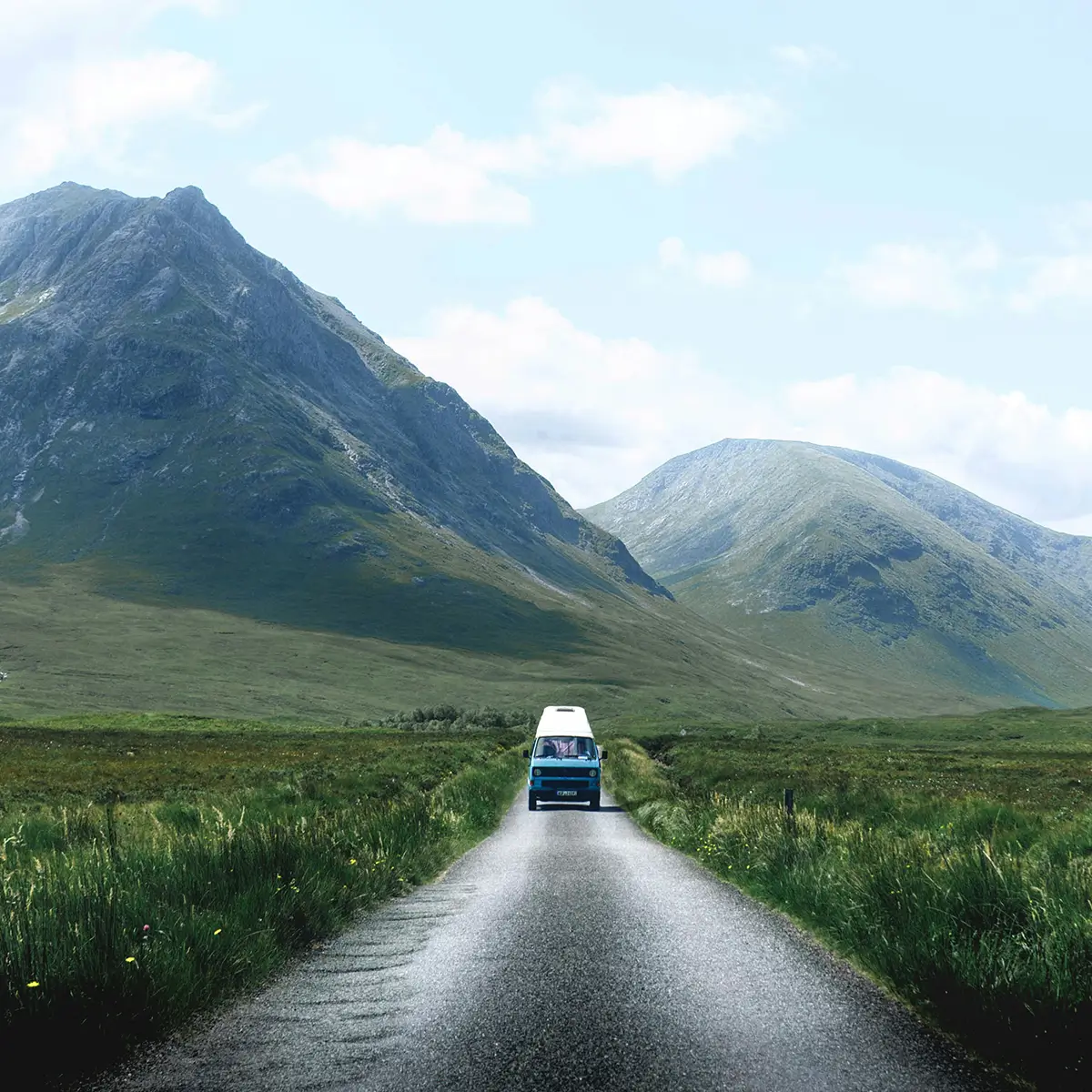
Van driving on a narrow road surrounded by green fields and mountains under a blue sky.

How we build better self-drive routes

The route does the heavy lifting. Once the structure is right, self-drive becomes simple.
  • Bases

  • 2–3 night bases reduce packing, lower stress, and make each region feel enjoyable rather than rushed.
  • Flow

  • We order regions so the trip moves forward cleanly, with minimal backtracking and fewer repetitive driving days.
  • Timing

  • Routes are built around real travel time: slower west coast roads, photo stops, short walks, and relaxed meal breaks.
  • Energy

  • Every itinerary needs lighter days. We balance major scenery days with calmer loops so week two still feels good.
  • Positioning

  • Accommodation is chosen for location first — so mornings start easily and your best time isn’t spent driving past what you came to see.
  • Transitions

  • Longer drives are treated as transition days with one or two worthwhile stops, rather than trying to cram in everything at once.

Common self-drive Scotland mistakes

Most problems come from route structure — not from the driving itself.
  • Too much geography
    Trying to cover the whole country creates long days and shallow time in each place. Fewer regions usually creates a better trip.
  • Too many hotel moves
    Constant one-night stops create packing fatigue and late arrivals. Stronger bases make the route feel calmer.
  • Drive-time optimism
    Highlands roads are slower than many travellers expect. Realistic mileage changes the experience completely.
  • Forced loops
    Circular routes often create unnecessary mileage. Clean route flow matters more than “completing the loop.”
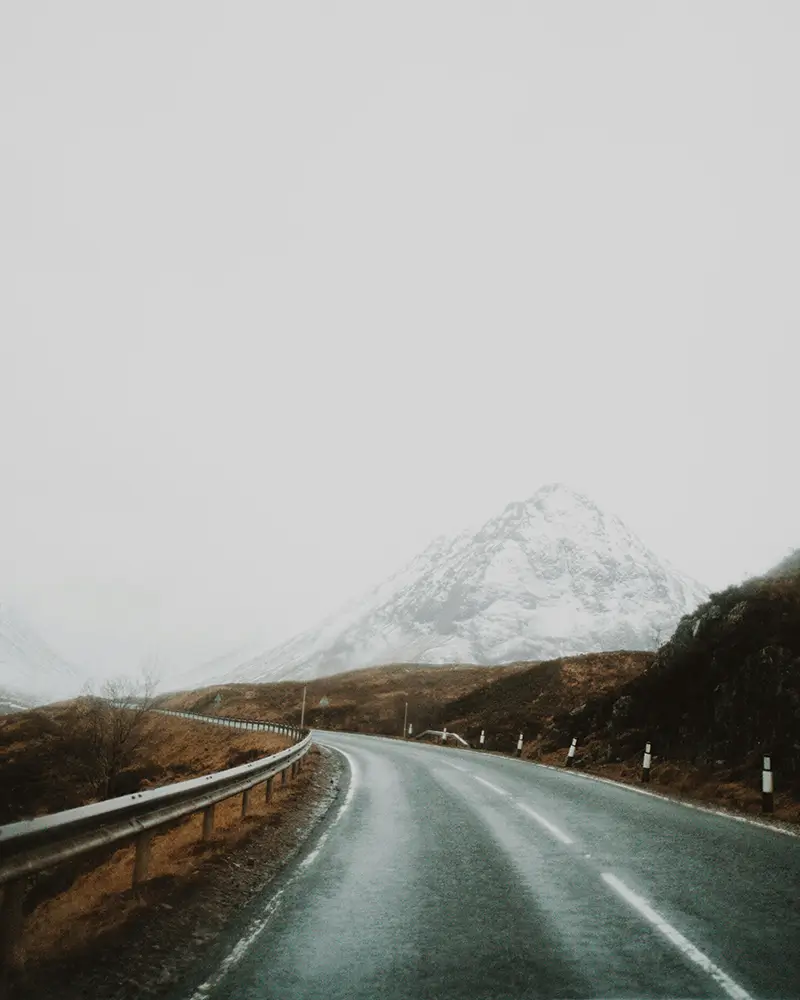
Winding road with guardrails passes through brown hills toward snowy mountain under gray sky.

Sample self-drive routes

Structured starting points with realistic pacing and strong route flow.
7 Days: Edinburgh + Highlands
Edinburgh → Cairngorms base → Inverness / Loch Ness base → return to Edinburgh.
10 Days: Highlands + Skye
Edinburgh → Cairngorms → Inverness / Loch Ness → Skye base → Glencoe → Edinburgh.
14 Days: Islands + Highlands
Inverness → northern Highlands → Skye → Outer Hebrides or island chapter → return south.
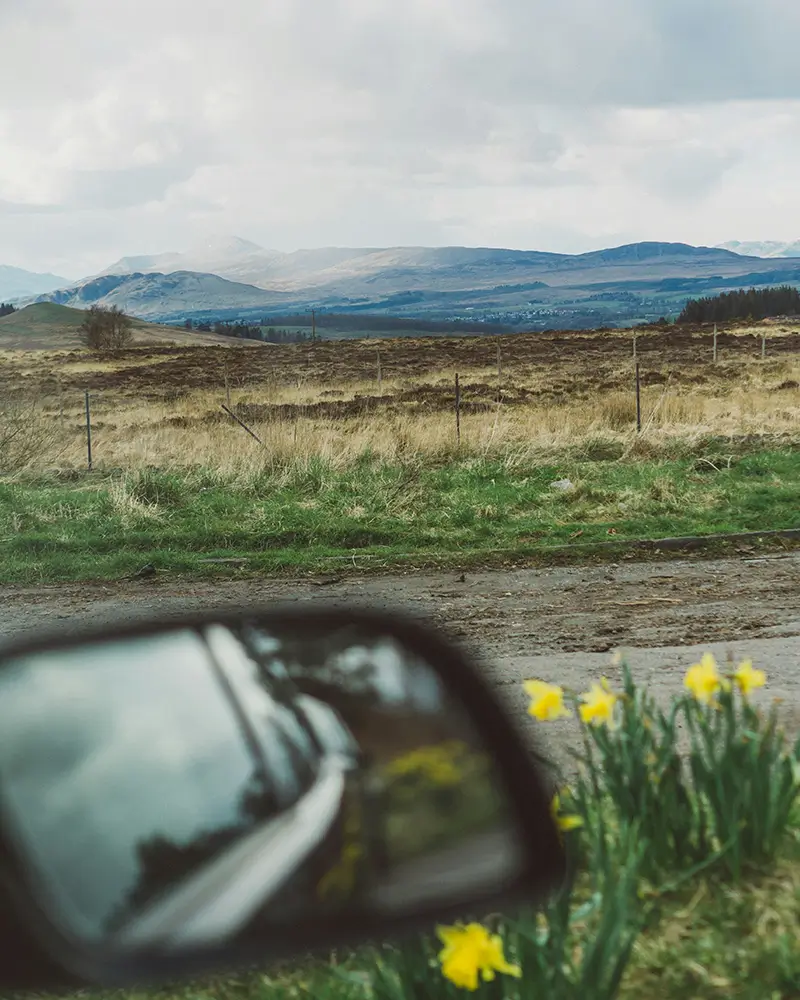
View of grassy hills and mountains with yellow flowers and a car side mirror in the foreground.

Self-drive Scotland built around real travel days

A good self-drive itinerary feels calm because the route is doing the work.

We design self-drive Scotland trips around pacing and flow rather than maximum coverage. That means stronger overnight positioning, fewer repetitive drives, and routes that still feel enjoyable once real travel time is factored in.

Local knowledge matters most in the small decisions: which roads are slower than they appear, where to base yourself, and how to avoid wasting time on unnecessary mileage.

We also provide practical preparation and support before and during the trip — so if plans need to flex, the route still works smoothly on the ground.

Ready to plan your self-driving tour of Scotland? Let's get started.

Self-drive Scotland Trip FAQs

  • Is Scotland easy to drive in?
    For most travellers, yes — especially with a well-paced route. The biggest adjustment is left-side driving, not road difficulty.
  • Do I need an automatic car in Scotland?
    If you normally drive automatic, book automatic. Automatic rental cars are widely available, but should be reserved early in peak season.
  • Is Skye difficult to drive?
    Skye is slower rather than difficult. Roads can narrow in places, but with the right base and pacing it’s straightforward.
  • How long should driving days be?
    Aim for 2–3 hours of driving on most days (plus stops), with occasional longer transition days.
  • Are roads dangerous in the Highlands?
    Generally, no. Single-track roads require patience and passing-place etiquette more than technical driving skill.
  • Should I stay in one place or move around?
    Most 7–14 day trips work best with 2–4 strong bases plus a small number of one-night transitions.
  • What’s the best self-drive route in Scotland?
    For first-time visitors, Highlands + Skye is usually the best balance. Longer trips can comfortably add islands or northern Highlands regions.
  • Can I do Scotland without driving?
    Cities work well without a car. For the Highlands and islands, most travellers benefit from self-drive, guided days, or a hybrid route.
  • When should I book accommodation?
    For May–September, plan 6–9 months ahead — especially for Skye, islands, and smaller Highland towns.

Plan a better  Scotland road trip

Tell us your time, priorities, and comfort level — we’ll design a self-drive Scotland route with realistic pacing, strong bases, and support that keeps the trip smooth.