
Gluten-Free Scotland

Travelling gluten-free in Scotland is usually far easier than people expect — especially with the right route, overnight bases, and planning support.

Bakery window with various breads and pastries, featuring Wild Dough logo and store hours.

Scotland is generally very manageable for gluten-free travellers

Cities are easy. Rural regions simply benefit from better planning.

Scotland is generally very manageable for gluten-free travellers, especially in Edinburgh and Glasgow where options are widespread and awareness is good.

The Highlands and islands simply require more structure: earlier dining hours, fewer venues, and longer distances make route planning more important.

With strong overnight bases and realistic pacing, gluten-free travel in Scotland usually feels straightforward rather than stressful.
Where gluten-free travel is easiest

Some regions are naturally easier — others simply need more planning.
  • Edinburgh & Glasgow
    The easiest places for gluten-free restaurants in Scotland: more choice, later hours, and straightforward communication.
  • Highlands Tourist Routes
    Popular Highland regions generally have workable options, especially around larger towns and established routes.
  • Skye & Islands
    Very manageable, but more dependent on planning ahead — especially in peak season and smaller villages.
  • Rural Inns & Remote Areas
    Advance communication matters most here, particularly when accommodation dining is limited.
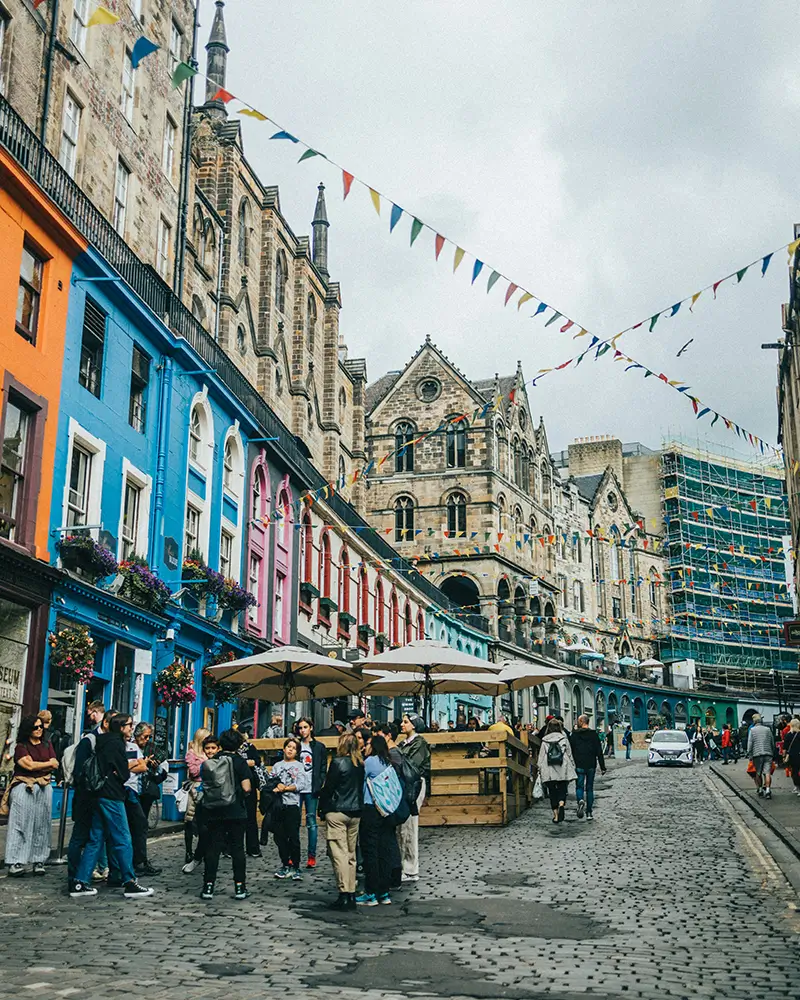
Crowd on cobblestone street with colorful buildings and historic stone architecture in the background.

How we plan gluten-free Scotland trips

Good logistics remove most of the stress before the trip even begins.
  • Accommodation Selection

  • We prioritise stays that can reliably support dietary requirements and make evenings easy.
  • Overnight Positioning

  • Routes are designed to avoid late arrivals into small towns with limited food options.
  • Restaurant Communication

  • Where reservations matter, dietary requirements are communicated clearly and early.
  • Day Structure

  • Driving days stay realistic so meals don’t become rushed or squeezed into awkward timings.
  • Flexibility with Preparation

  • You still keep flexibility — but remote regions, island nights, and peak-season pinch points are planned properly.
  • You're the Priority

  • The goal is simple: you shouldn’t spend your Scotland trip worrying about food logistics.

Common gluten-free travel mistakes

  • Assuming remote areas will have late food options
  • Arriving too late into smaller towns
  • Overpacking driving days
  • Not notifying accommodation ahead of time
  • Choosing stays for aesthetics rather than logistics
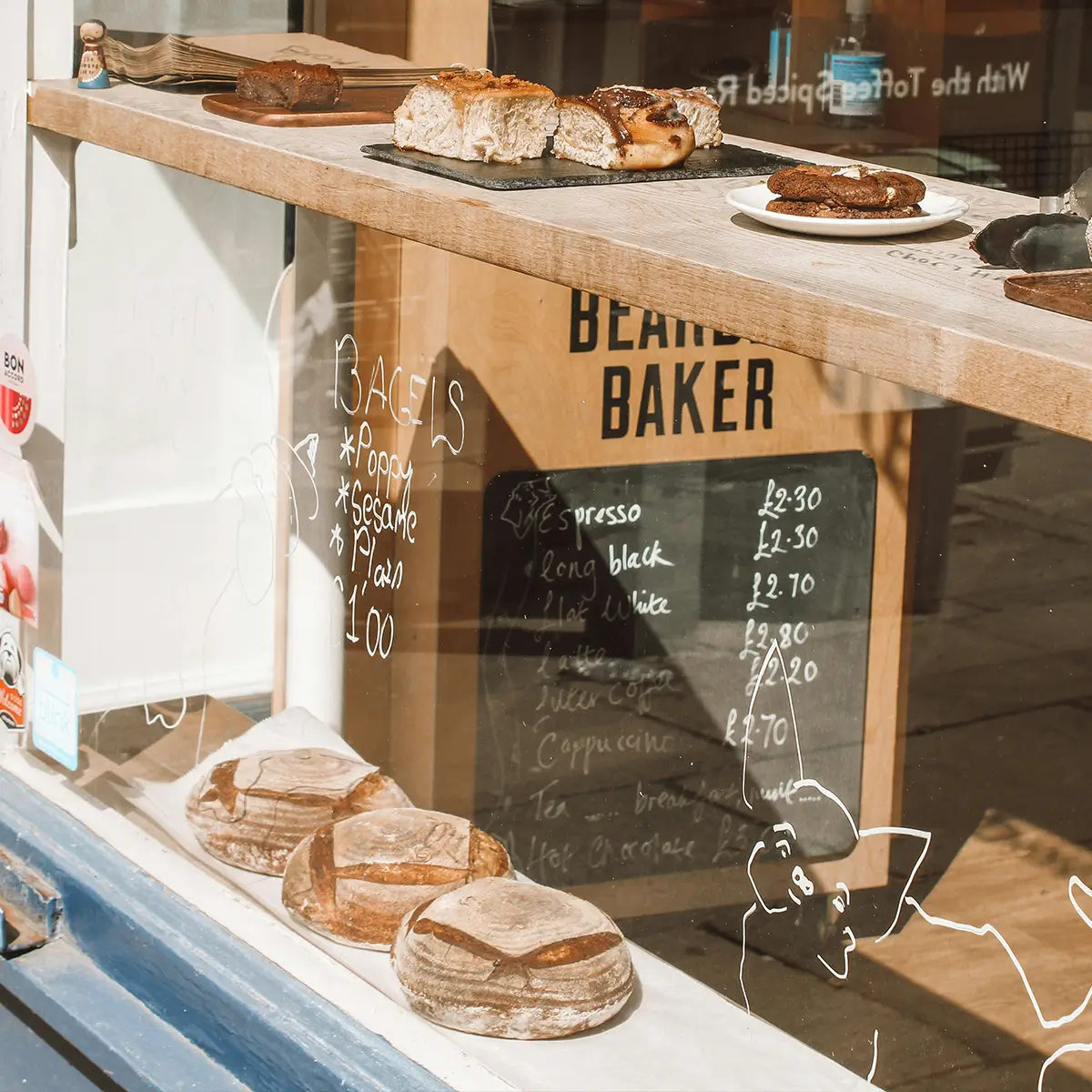
Bakery window showing assorted breads and pastries with handwritten menu reflecting inside.

Gluten-free Scotland FAQs

  • Is Scotland good for coeliac travellers?
    Generally, yes. Awareness is good, especially in cities and larger towns.
  • Are gluten-free options common in Scotland?
    In many regions, yes — though rural areas benefit from more advance planning.
  • Is the Highlands difficult for gluten-free travel?
    Not difficult, just less spontaneous. Good overnight positioning makes a big difference.
  • Should I notify hotels in advance?
    Yes, especially in smaller inns or remote stays where dinner options are limited.
  • Are supermarkets good for gluten-free food?
    Generally, yes. They’re useful for snacks, road trip days, and rural backup options.
  • Can you travel Scotland safely with coeliac disease?
    Many travellers do successfully. Clear communication and realistic planning reduce most issues.
  • Is Skye manageable for gluten-free travel?
    Yes — particularly with a strong base, earlier planning, and sensible pacing.

Plan a Scotland trip that  works for you

Good route design makes gluten-free travel in Scotland far easier — especially across the Highlands and islands.