Islands & NC500

The north of Scotland feels different: bigger coastlines, quieter roads, ferry crossings, and island stretches that reward a more thoughtful route.
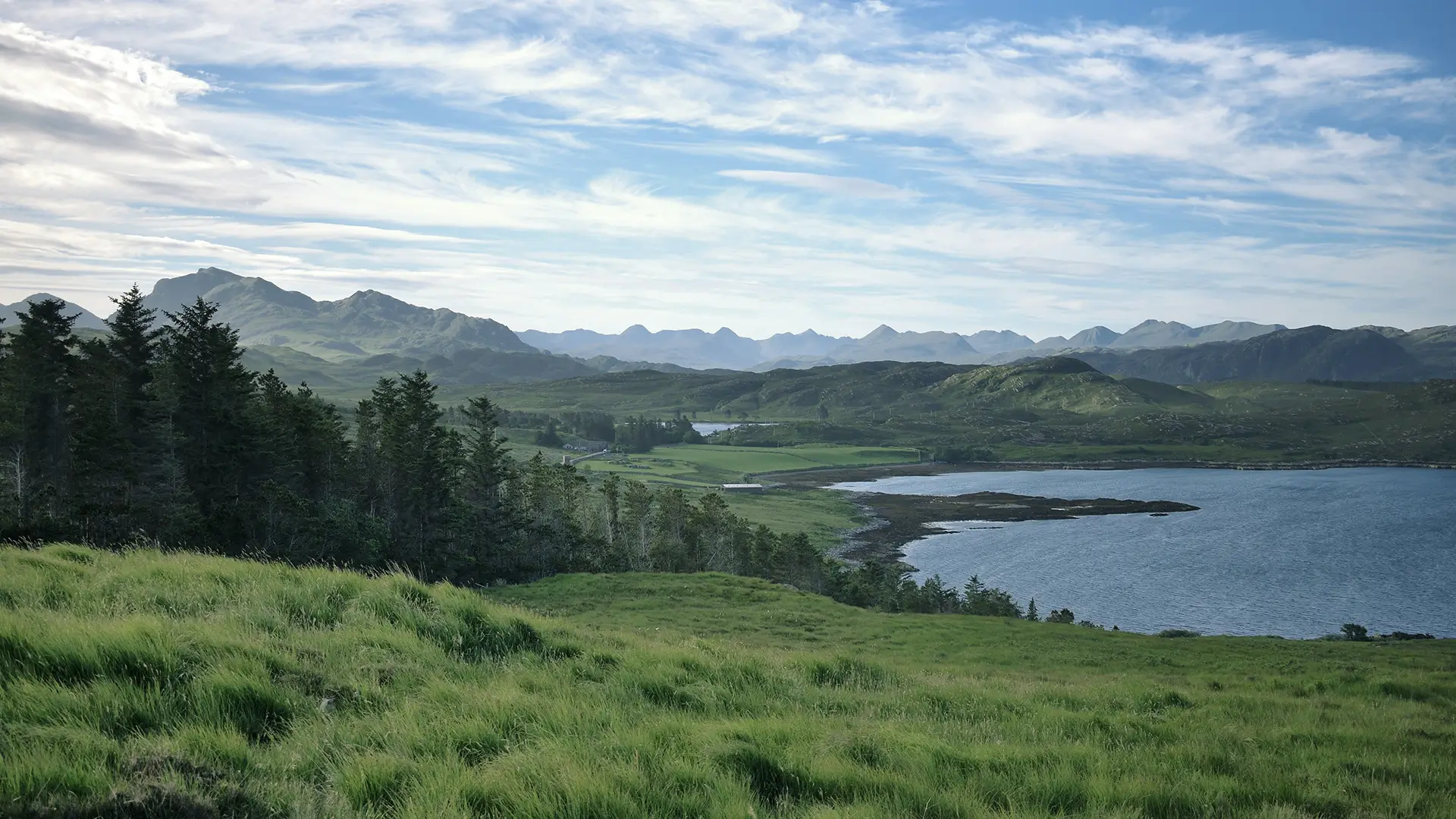
Scenic Scottish landscape with green hills, forest, coastal water, and distant mountain range under a cloudy sky.

Scotland’s wild west coast - without the rush

The best NC500 trips leave space for the islands to shape the rhythm.

Island travel feels different from mainland Scotland. Days move more slowly, ferries naturally break up the route, and the focus shifts from covering mileage to actually enjoying where you are. The best moments are usually the simplest ones: quiet beaches, changing weather, long evenings, and roads that don’t feel rushed.

The NC500 works beautifully when approached this way. Split into sensible stages and paired with strong overnight bases, it becomes less about “completing the route” and more about experiencing the north properly. Add an island chapter like Skye, Arran, or the Outer Hebrides, and the trip takes on a calmer, more atmospheric feel altogether.
Why the Islands & NC500 work so well

Big scenery, quieter roads, and a route that naturally slows the pace.
  • Variety
    Mountains, sea lochs, beaches, ferry crossings, and small villages — often within the same region, without needing huge driving days.
  • Ferries
    Ferries naturally slow the pace in the best way. They create rhythm, break up long stretches, and stop the trip becoming endless driving.
  • Atmosphere
    The islands feel quieter and more grounded than mainland routes. Longer stays and fewer transitions create a stronger sense of place.
  • Space
    Open coastline, quieter roads, and fewer crowded stops make the trip feel spacious — even during peak season.
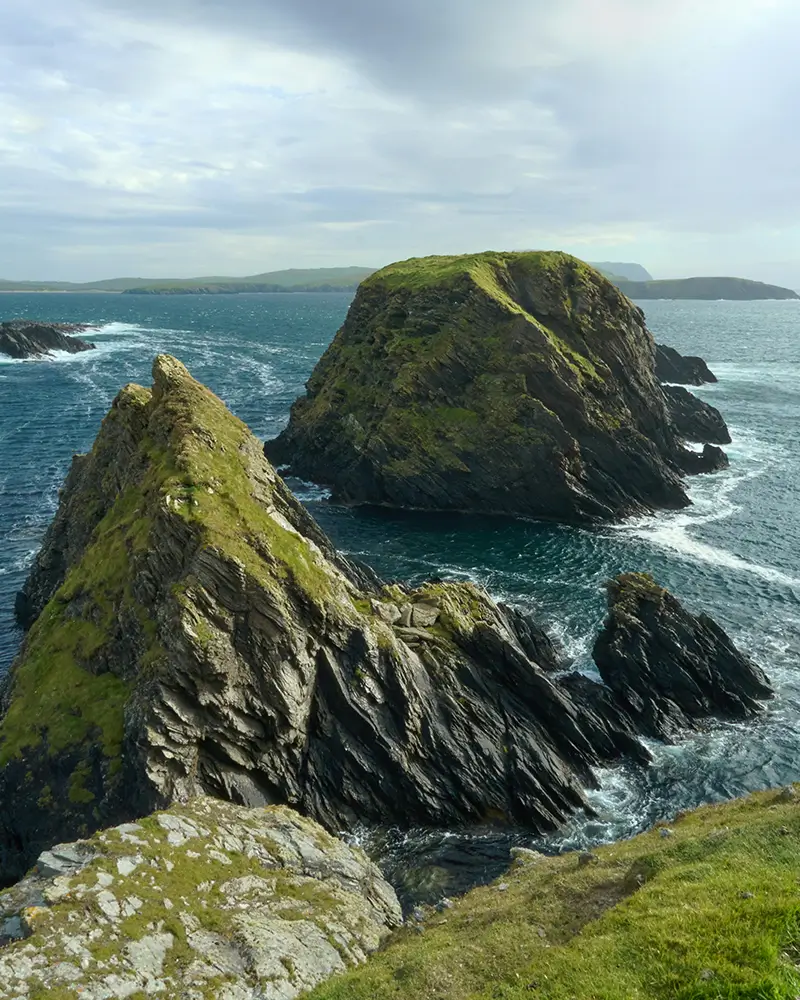
Rocky grassy islands in blue ocean under a cloudy sky with distant land visible on horizon.

How we build better Islands & NC500 trips

The north of Scotland feels best when the route has breathing room.
  • Longer Stays, Better Rhythm

  • We use 2–3 night stays so the route feels settled rather than dominated by packing, repetitive driving, and constant transitions.
  • Ferry Days That Feel Easy

  • We build in sensible timing and buffer so ferry crossings feel like part of the experience — not stressful logistical deadlines.
  • Route Flow Over “Completing the Loop”

  • We prioritise clean sequencing over trying to “complete” a perfect circle around Scotland at the expense of comfort and pacing.
  • Driving Days Built for the West Coast

  • Distances in the Highlands are slower than they appear on the map. We plan around real travel time, scenic stops, weather shifts, and west coast pacing — not optimistic mileage estimates.
  • Islands That Feel Like a Real Chapter

  • The islands work best when they have time to properly settle in. Rather than squeezing them between long driving days, we structure island stays as a genuine part of the trip experience.
  • Scenic Transitions, No Overpacked Days

  • Longer drives should still feel enjoyable on the ground. Transition days are treated as scenic travel days with one or two worthwhile stops instead of overloaded sightseeing schedules.

Island chapters that work beautifully in Scotland

The best island routes are the ones that feel connected naturally to the wider journey.
  • Isle of Skye
    Skye works best as a base-led stay. With the right positioning, you avoid repetitive driving and gain flexibility around weather and light.
  • Isle of Arran
    A relaxed island chapter with manageable logistics, scenic coastal driving, and enough variety for slower-paced days.
  • Harris & Lewis
    The Outer Hebrides are about space, beaches, weather, and atmosphere. With enough nights, they become one of the most memorable parts of the trip.
  • Mull & the west coast ferries
    Ideal for travellers who want island travel without committing to the far north. The right ferry pairing creates a very smooth west coast route.
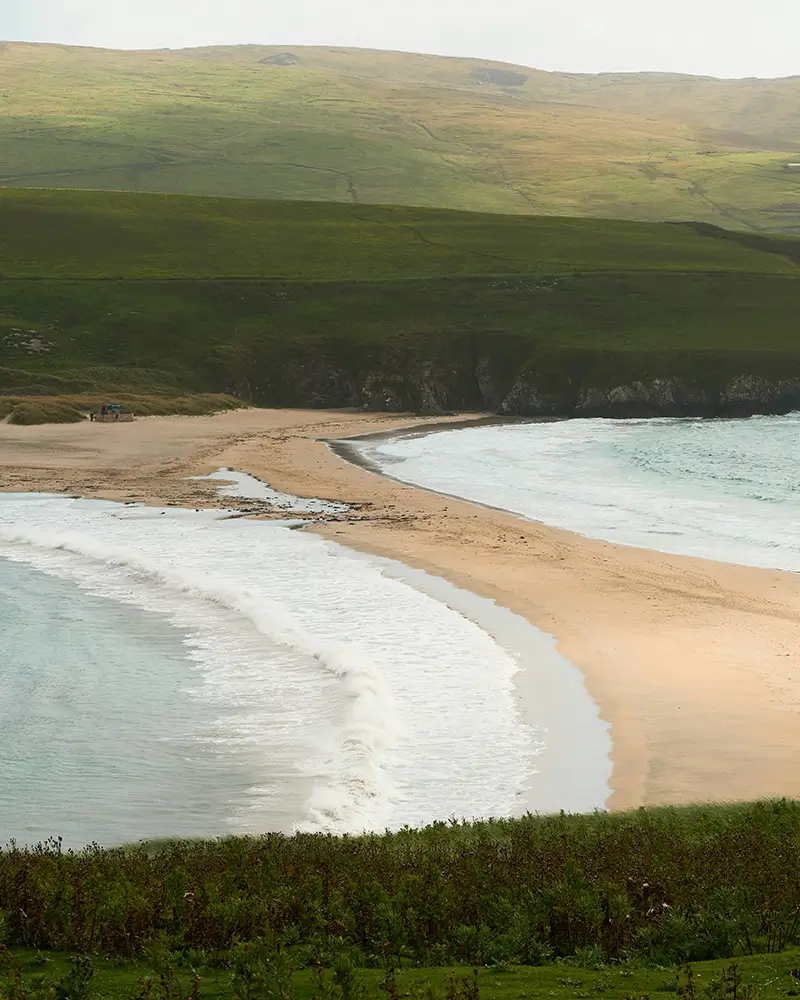
Curved sandy beach with waves and green hills in the background under cloudy sky.

The planning mistakes that make these trips harder than they should be

Most problems come from pacing and structure — not from the roads themselves.
  • Treating the NC500 like a challenge
    The route becomes exhausting when the goal is “completion” instead of enjoying the coastline properly.
  • Too many one-night stays
    Constant packing and late arrivals quickly drain the energy from west coast and island travel.
  • Ferry timing without buffer
    Tight connections create unnecessary stress, especially when weather or traffic shifts the day slightly.
  • Trying to fit in every island
    One properly paced island chapter is usually far more rewarding than several rushed stops.
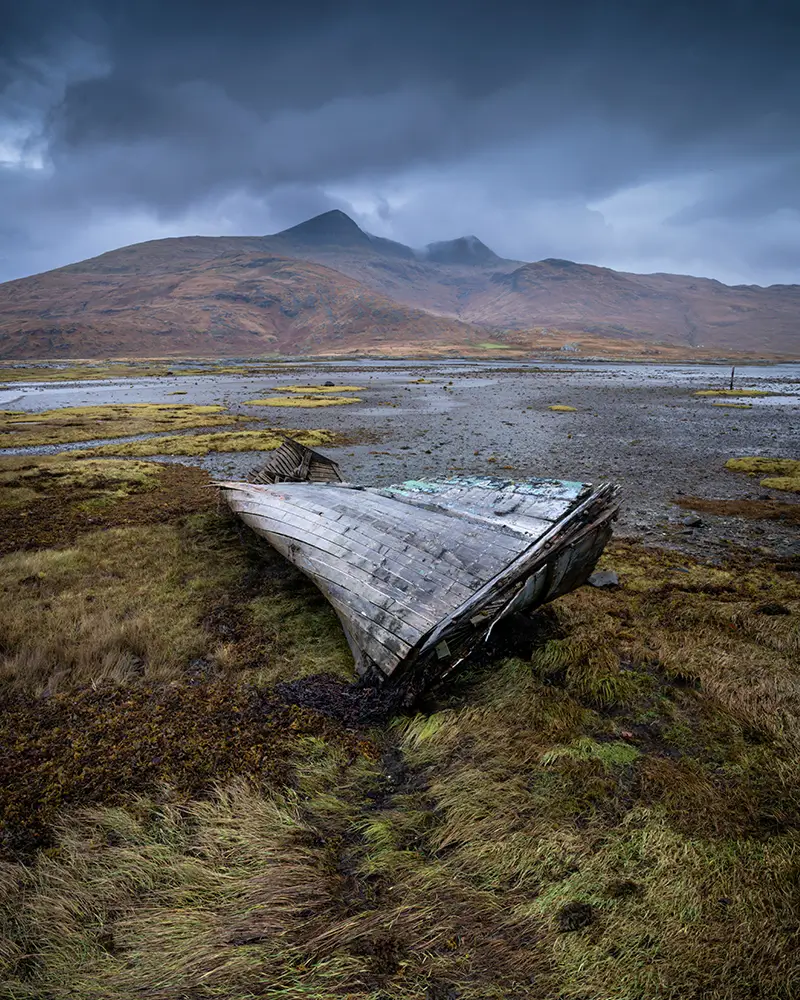
Weathered, overturned wooden boat lying on grassy shore under cloudy sky by distant hills.

Sample Highlands & islands routes

Starting structures designed around realistic pacing and memorable days.
10 Days
Inverness → west coast NC500 highlights → Skye base → Glencoe → depart
14 Days
Inverness → staged NC500 route → Skye → Lewis & Harris → Inverness
21 Days (Slower Pace)
Edinburgh or Inverness → Highlands bases → Skye → Outer Hebrides → west coast reset → return
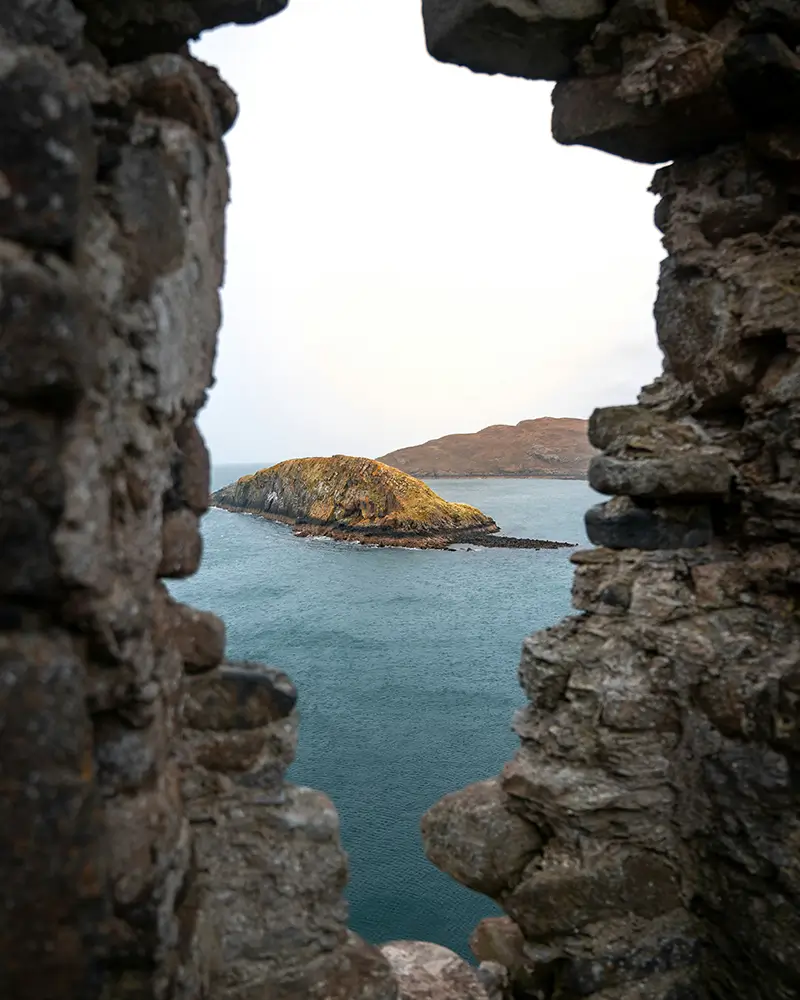
View of a small island and water through a jagged stone window of an old castle.

Routes designed around how the trip actually feels

Good pacing changes the entire experience of the Highlands and islands.

We plan route-first: strong bases, realistic west coast driving days, and ferry timing that keeps the trip feeling smooth rather than logistical.

Local knowledge matters most in the small decisions — where to overnight, which ferry pairings create calmer days, which stretches are slower than expected, and where quieter coastlines often outperform the obvious stops.

The goal is simple: a Highlands and islands trip that still feels enjoyable deep into the second week, not just exciting on day one.

Ready to plan your Islands & NC500 adventure? Let's get started.

Islands & NC500 Travel FAQs

  • Is the NC500 worth it?
    Yes — when treated as a scenic coastline rather than a fast loop to complete quickly.
  • How many days do you need for an islands + NC500 trip?
    For most travellers, 14 days is the ideal starting point for combining the NC500 with a meaningful island chapter.
  • Are ferries difficult to manage?
    Usually not. With sensible timing and proper planning, ferry travel becomes a smooth part of the trip rhythm.
  • Which islands work best in a road trip?
    Skye is the easiest pairing. Harris & Lewis are excellent for deeper island travel, while Arran and Mull work well on west coast routes.
  • Is island driving difficult?
    It’s usually slower rather than difficult. Narrower roads and changing weather simply require calmer pacing.
  • Can you combine Skye with other islands?
    Yes. Skye works particularly well as part of a broader Highlands and islands route when ferry timing is planned properly.
  • What’s the best time to visit?
    May, June, and September usually offer the best balance of daylight, scenery, and pacing.
  • Are the islands suitable for families?
    Very much so — especially with fewer hotel changes, realistic driving days, and accommodation that makes evenings easy.

Plan a route that feels   good to travel

Tell us your pace, priorities, and timeframe — we’ll build a route with strong bases, realistic driving days, and island time that actually feels memorable.