The Outer Hebrides feel like the edge of the world — white sand, big skies, and real quiet. We plan ferries, pace, and stays so it runs smoothly.
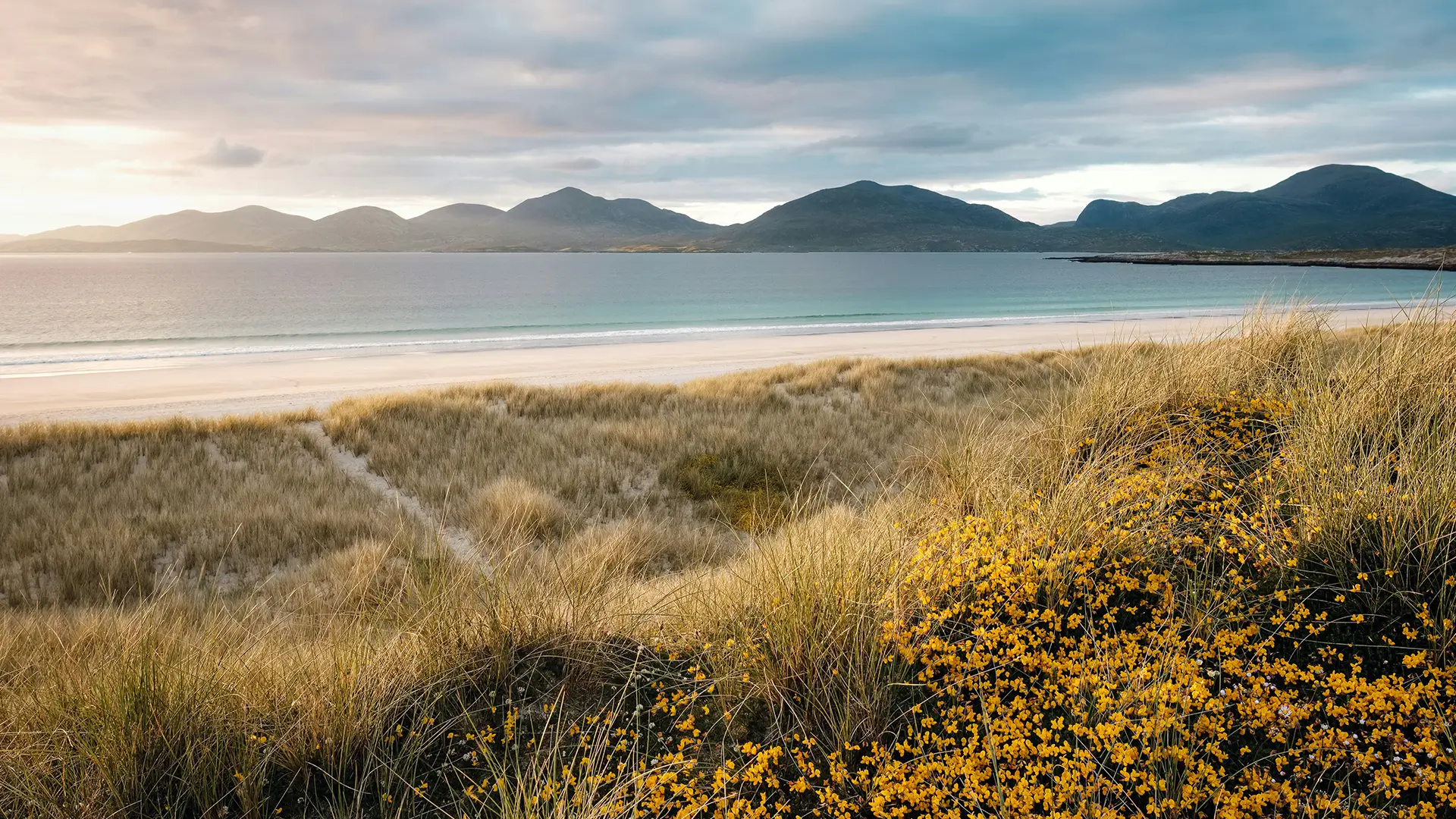
The Outer Hebrides are a different pace of Scotland: more space, more sky, and a feeling of true escape. They’re ideal for nature, beaches, and quiet — and they work best when the route is built around ferry timings, realistic driving, and the right bases.
We usually include the Outer Hebrides as:
A dedicated island chapter (3–5 nights) within a wider Highlands itinerary
A slow centrepiece for travellers who want fewer stops and more depth
A contrast to the mainland — after Highlands road trip days, the islands feel like a reset
Because accommodation and ferries can be limiting in peak season, we plan Hebrides routing early and keep the trip calm and dependable.
2–3 nights
A quick taste — usually one main base (often Harris or Stornoway) with one big exploration day. Works, but can feel tight given ferry time.
4–5 nights (recommended)
The best balance: enough time to experience both Lewis and Harris properly, with flexibility for weather and slower beach time.
6+ nights
For true slow travel: multiple beaches, walks, small local stops, and space to follow the best conditions (light, tide, wind, rain).
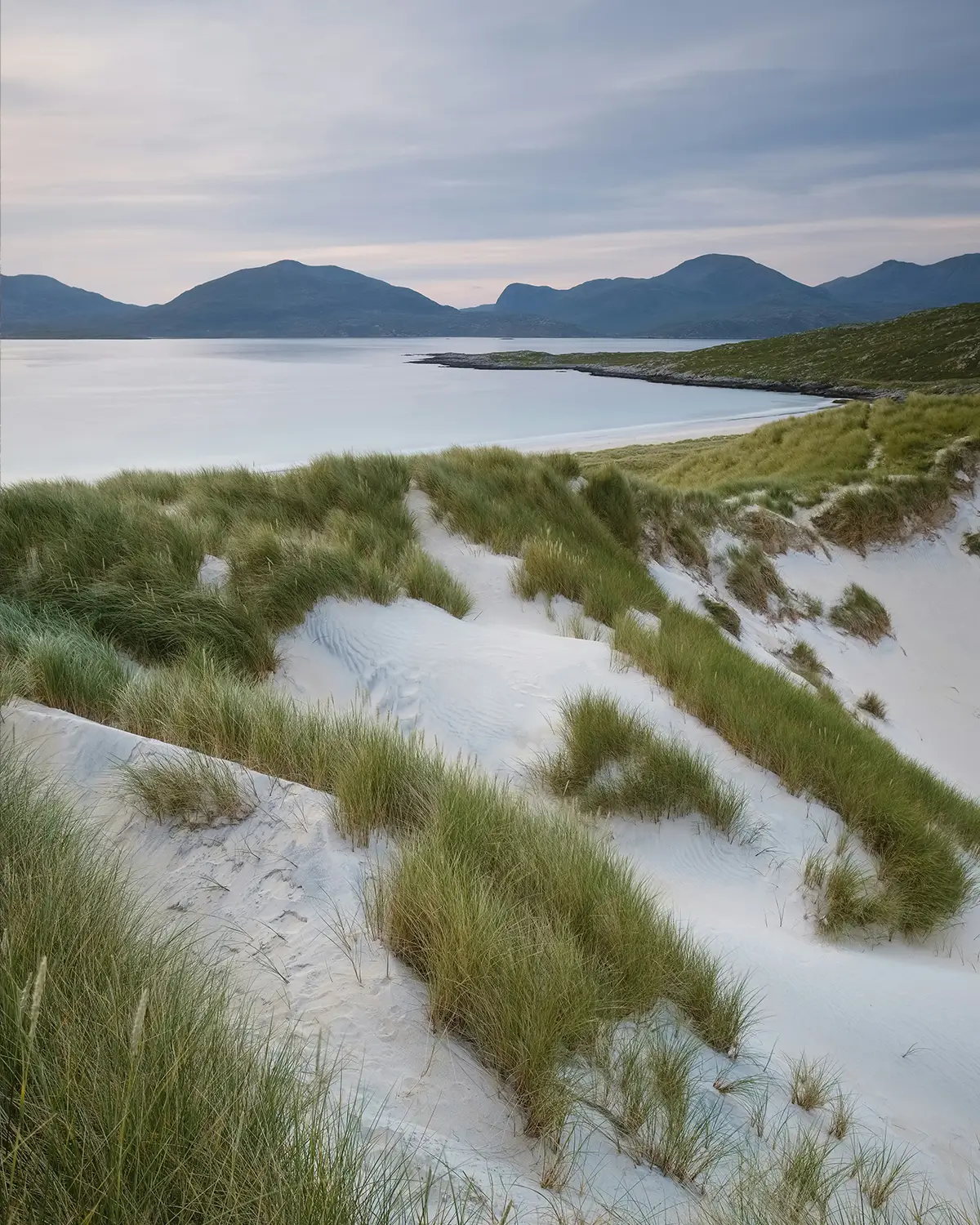
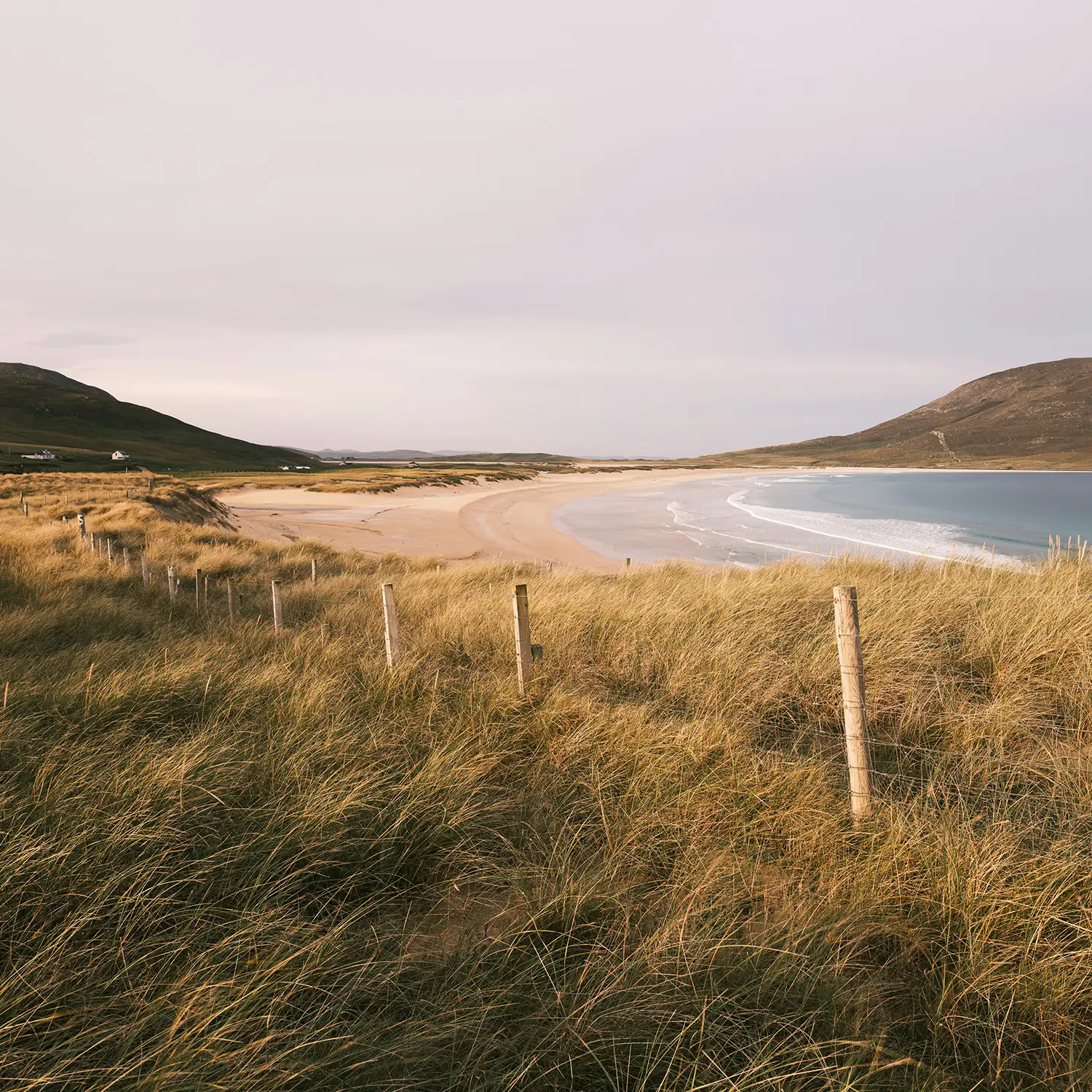
Harris beaches — white sand, turquoise water, huge skies
Lewis history — standing stones and deep island stories
Wildlife & nature — sea birds, seals, and wide open landscapes
Small local moments — cafés, crafts, and quiet coastal drives
That “remote” feeling — without needing to rough it (if planned well)
The Hebrides feel more relaxed when you choose bases that reduce backtracking.
Stornoway (Lewis)
Most practical for transport links, services, and a comfortable first island base. Great if you want convenience and variety for dinners.
Tarbert / Harris (central and scenic)
A strong base for Harris beaches and for moving between Lewis and Harris without long daily drives.
South Harris / quieter coastal stays
For maximum peace, big views, and a more “off-grid” feel — best if you’re happy with fewer dining options and more quiet evenings.
We’ll recommend the right setup based on your priorities: comfort vs remoteness, walkability vs views, and how much driving you want each day.
A Harris beach day (done slowly)
A day built around beaches, viewpoints, and easy walks — with time to stop when somewhere feels special.
A Lewis history day
Standing stones, coastal scenery, and island stories that make the place feel grounded and meaningful.
A weather-flex day
We plan the Hebrides with flexibility. If the wind is up or rain moves through, we’ll shift plans so you still get a great day (and save the most exposed beaches for the best conditions).
Ferries shape the itinerary. We plan around ferry times and leave buffer so you’re not under pressure.
Book early in peak season. Accommodation is limited and sells out quickly.
Expect changeable weather. The islands are worth it in all conditions — but flexibility makes it feel effortless.
Driving is slower than the map suggests. We keep daily routes realistic and leave time for stops.
Pack layers. Wind can be strong even on sunny days.
How many nights do we need in the Outer Hebrides?
Ideally 4–5 nights for a calm, proper experience across Lewis and Harris. You can do less, but it becomes more about logistics than enjoyment.
Do we need a car in the Outer Hebrides?
Yes for most travellers. Distances and public transport make a car (or driver-guide) the easiest way to enjoy the islands without stress.
Are the ferries difficult?
Not when they’re planned properly. Ferries shape the itinerary, so we build in sensible timing and buffer, and advise on what should be booked in advance.
What’s the best time of year to visit?
Late spring to early autumn is ideal. Shoulder season can be quieter and beautiful, but weather is more variable — we plan accordingly.
Will the weather ruin the trip?
No — but it may change the plan. We design the Hebrides with flexibility so you can follow the best conditions for beaches, viewpoints, and walks.
Which is better: Lewis or Harris?
They’re different. Harris is famous for beaches and big landscapes; Lewis brings history and island culture. With the right length of stay, you can do both without rushing.