
Scotland Train + Car Hybrid Trips

Use rail for Scotland’s most scenic transitions, then switch to self-drive for the Highlands, islands, and quieter roads beyond the main lines.
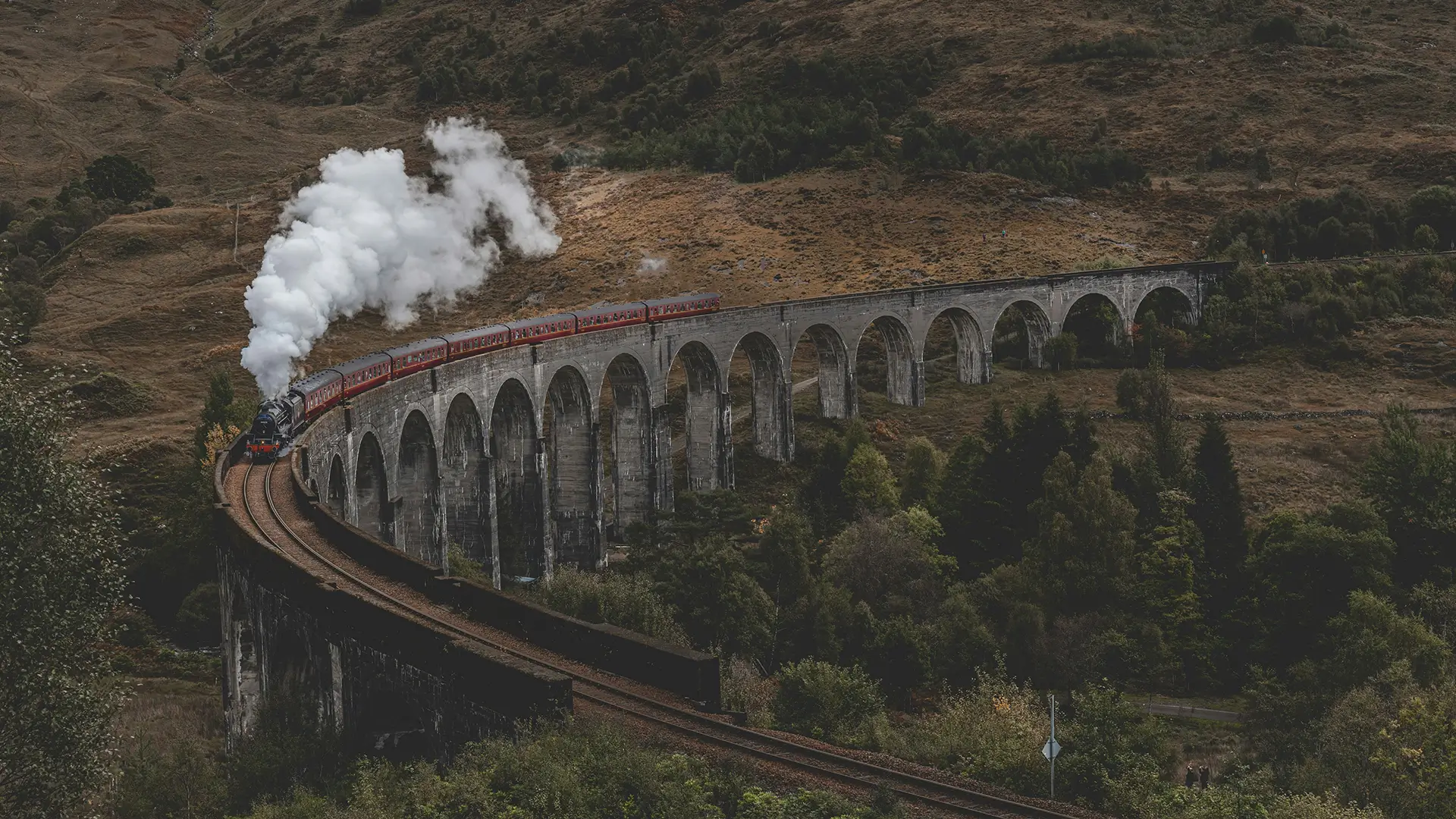
Steam train crossing a tall, curved stone viaduct in a hilly rural landscape.

Scotland by rail and road

Hybrid trips reduce driving fatigue, improve pacing, and combine Scotland’s best rail journeys with the flexibility of self-drive touring where it matters most.

A full self-drive Scotland trip gives you freedom — but longer routes can become tiring once you stack big driving days back-to-back.

Rail-only travel has the opposite problem: Scotland’s cities work well by train, but the Highlands, islands, and quieter regions are harder to explore without a car.

Hybrid trips combine both. Use rail for Scotland’s most scenic transitions, then switch to self-drive where flexibility matters most.

How train + car trips work on the ground

Designed around realistic pacing, smoother transitions, and the parts of Scotland that genuinely benefit from rail.
  • Scenic Rail Sections
    Use train travel for legs that are slower or more enjoyable by rail. It reduces driving fatigue and lets you experience the scenery without navigation pressure.
  • Self-Drive Flexibility
    Pick up a car when the route becomes more rural: quieter roads, flexible detours, and day routes that don’t depend on timetables.
  • Smarter Pacing
    Rail days naturally slow the rhythm of the trip. Instead of stacking long drives back-to-back, the route gains breathing space and better energy over time.

The Scotland regions where train + car trips work best

Not every route benefits equally from rail — these combinations tend to work exceptionally well.
  • Edinburgh → Fort William by Rail
    A calmer city start, followed by one of Scotland’s most scenic rail journeys into the Highlands.
  • West Highland Line + Skye
    Rail handles the long westward stretch, then self-drive takes over for Skye’s slower roads and flexible pacing.
  • Inverness & Cairngorms
    Arrive by rail, then use a car for lochs, forest walks, distilleries, and quieter scenic loops.
  • Highlands Without Circular Driving
    Hybrid routes avoid forced loops, keeping the trip moving naturally with more sensible driving days.
Hands holding phone capturing photo of a steam train moving on tracks through green landscape.

Why train + car trips often work better

The goal isn’t to avoid driving entirely — it’s to create a Scotland trip that feels better balanced overall.
  • Less Fatigue

  • Longer trips stay calmer when not every transition day becomes a driving day.
  • Better Scenery

  • Some landscapes are genuinely better experienced from the train. It changes the feel of the journey itself.
  • More Comfortable Pacing

  • Hybrid itineraries create natural “breathing space” days that make the full route feel less rushed.
  • Flexible Where it Matters

  • You still have a car for the Highlands chapters where weather, viewpoints, and quieter roads are part of the experience.
  • Easier City Starts

  • Begin in Edinburgh or Glasgow without immediately dealing with traffic, parking, or left-side driving.
  • Smoother Travel Days

  • Rail breaks up longer transitions naturally, so the route feels steadier and less transport-heavy overall.

Example Scotland train + car route

A realistic way rail and self-drive can work together naturally.
These routes work because the rail sections reduce fatigue while the self-drive sections keep flexibility where it matters most.
Example 1 (10 days)
Edinburgh (car-free) → West Highland Line → Fort William → Pick up car → Skye → Glencoe → Return south
Example 2 (14 days)
Edinburgh or Glasgow → Scenic rail west → Highlands self-drive touring → Cairngorms → Inverness → Return without forced circular driving
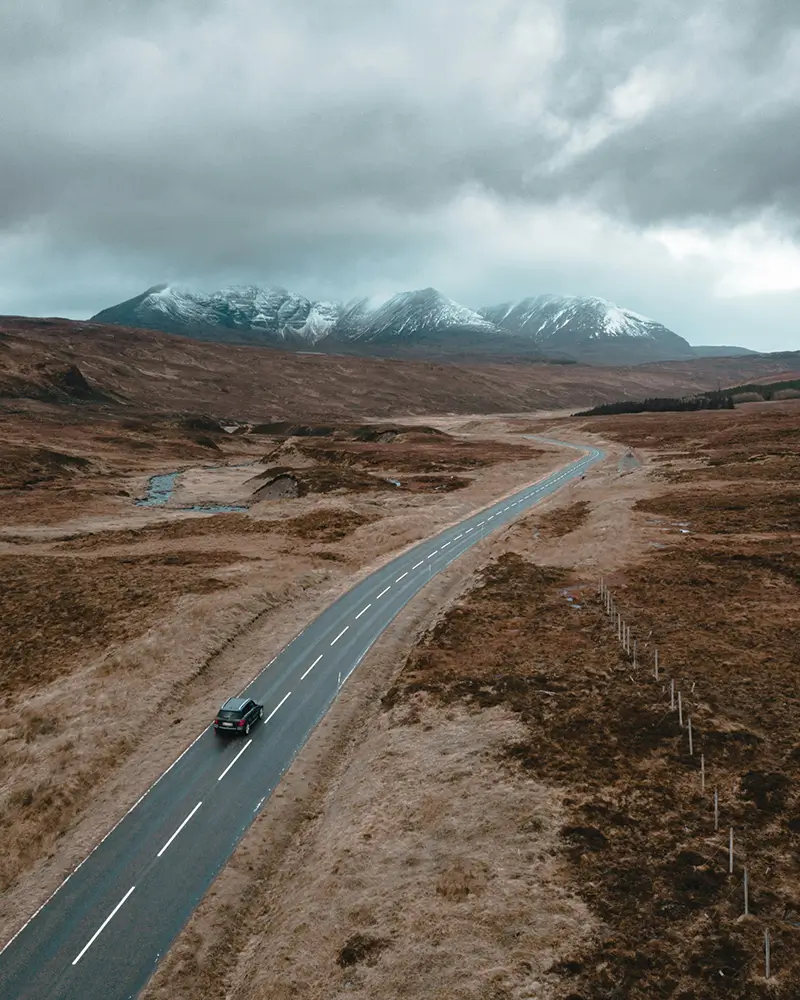
Single black car driving on winding road through barren landscape with snowy mountains under cloudy sky.

Designed around flow, not just logistics

Rail where it improves the journey. Self-drive where it improves the route.

We design Scotland train + car trips around route logic first: pacing, transitions, energy levels, and how travel actually feels day-to-day.

Rail sections are used where the journey itself adds value. Self-drive takes over where flexibility matters more — quieter roads, remote scenery, island connections, and day routes that don’t work well by timetable.

The result is less fatigue, fewer awkward transitions, and a trip that stays enjoyable deep into week two.

When to plan your route? Let's get started.

Scotland Train + Car Trip FAQs

  • Is Scotland easy to travel by train?
    In cities and on a few major lines, yes. For rural regions, trains work best as part of a hybrid plan rather than the only transport.
  • Do I still need a car in the Highlands?
    For most travellers, yes. The Highlands work best with flexibility for viewpoints, weather changes, and quieter roads beyond the rail network.
  • Can I combine rail and self-drive in Scotland?
    Absolutely. The key is doing it intentionally: one or two strong rail sections, then a car where flexibility improves the trip most.
  • What is the West Highland Line?
    A scenic rail line connecting central Scotland to the west Highlands. It’s often used as the rail “spine” in train + car itineraries.
  • Is train + car better than full self-drive?
    Often, yes — especially for 10–14+ day trips. It can reduce fatigue while still keeping Highlands flexibility where it matters.
  • Where should I pick up the rental car?
    Usually once you leave the cities and the route becomes more rural — often Fort William, Inverness, or another practical Highlands hub.

Build a Scotland route that    travels well

Combine scenic rail journeys with flexible Highlands touring for a Scotland trip that feels calmer from start to finish.